
Last updated October 16, 2026
 Water damage drying
 Fire & smoke cleanup
 Mold remediation
 Storm response
 Sewage cleanup
 Reconstruction
Free visual inspection and a written scope of work before any mitigation begins - photos, moisture readings, and drying logs go in your claim file
The scope we write is the scope we bill. Anything new gets shown to you, in writing, before we touch it.
Get your free estimateHow to Hire a Damage Restoration Contractor in Austin: A Step-by-Step Guide
Austin’s building boom means tens of thousands of newer homes, but the city’s notorious freeze-thaw cycles and flash-flood seasons don’t discriminate by square footage or zip code. Here’s what most homeowners don’t realize until it’s too late: Texas has no state licensing requirement specific to water damage restoration. Anyone with a van and a wet-vac can legally show up after a flood and call themselves a certified restoration company. This guide gives you a vetting sequence you can run in under ten minutes while water is still moving, so you hire the right contractor the first time, even at 2 a.m. with a soaked carpet underfoot. For a broader overview, see The Complete Guide to Damage Restoration in Austin.
Restoration work we handle
Quick Answer
To hire a damage restoration contractor in Austin, verify three things before anyone touches your property: IICRC certification (checked live against the IICRC registry), active general liability insurance naming your address as the job site, and a written price, not an estimate range. Then require a written scope of work and a trackable arrival window. If a contractor can’t produce those three items in the first phone call, keep dialing.
Table of Contents
- Why Austin Is Different
- The Ten-Minute Vetting Sequence
- Red-Flag Language to Listen For
- How to Verify an IICRC Certificate in 60 Seconds
- How to Read a Scope of Work Document
- The One Question That Separates Transparent Contractors
- What We See in Different Austin Neighborhoods
- Common Mistakes to Avoid
- When to Call a Professional
- Frequently Asked Questions
- The Bottom Line
Why Austin Is Different
Austin sits in Flash Flood Alley, a stretch of Central Texas that sees some of the most intense rainfall rates in North America. A thunderstorm can drop three inches of rain in an hour over Mueller while the Domain stays dry. That hyperlocal weather pattern means restoration demand spikes unevenly across the metro, and out-of-town crews roll in when big storms hit. Some are legitimate. Some are not. The city’s chalky limestone soil also expands and contracts with moisture, which puts stress on slab foundations and plumbing lines, especially in older neighborhoods like Allandale, Crestview, and Hyde Park where clay-heavy soil meets original cast-iron pipes. We see more slab leaks in those areas than anywhere else in Austin. Homeowners there learn a hard lesson: water travels sideways through limestone before it ever shows up as a puddle, so by the time you see damage, the moisture has been spreading for days. Our Water Damage Restoration Maintenance Checklist for Austin Homeowners can help you catch problems earlier.n moving for days.
The other Austin-specific factor is construction quality. The city’s rapid growth means many homes built between 2010 and 2020 went up fast. PEX plumbing is standard now, but improperly secured lines, rushed slab work, and builder-grade water shutoffs mean a small leak can become a big one quickly. Add in the fact that Austin’s average indoor humidity runs higher than Dallas or Houston during shoulder seasons, and you have a recipe for mold growth that starts faster than most homeowners expect. The IICRC standard says mold can begin colonizing within 24 to 48 hours of water exposure. In an Austin summer, with 90 percent humidity and warm temperatures, that window shrinks. You need a contractor who understands Austin’s climate, not just one who shows up with fans.
The Ten-Minute Vetting Sequence
When water is actively moving, you don’t have an afternoon to research contractors. But you do have ten minutes. Here is the exact sequence we recommend to anyone calling Water Damage Restoration in Austin companies after a leak, flood, or sewage backup:
- Minute 1-2: Ask for the IICRC certification number. Write it down exactly as they say it. Do not accept “we’re certified” without a number. You’ll verify it in step 3.
- Minute 3-4: Ask if they will put their price in writing before any work starts. Not a range. Not a ballpark. A specific dollar figure on a document you can hold them to. If they hesitate, end the call. The number on the screen should be the number you pay.
- Minute 5-6: Ask for a certificate of insurance with your address listed as the job site. A real restoration company carries general liability insurance and can email you a certificate of insurance (COI) naming your property before anyone walks through the door. If they “don’t have it handy,” that’s a problem.
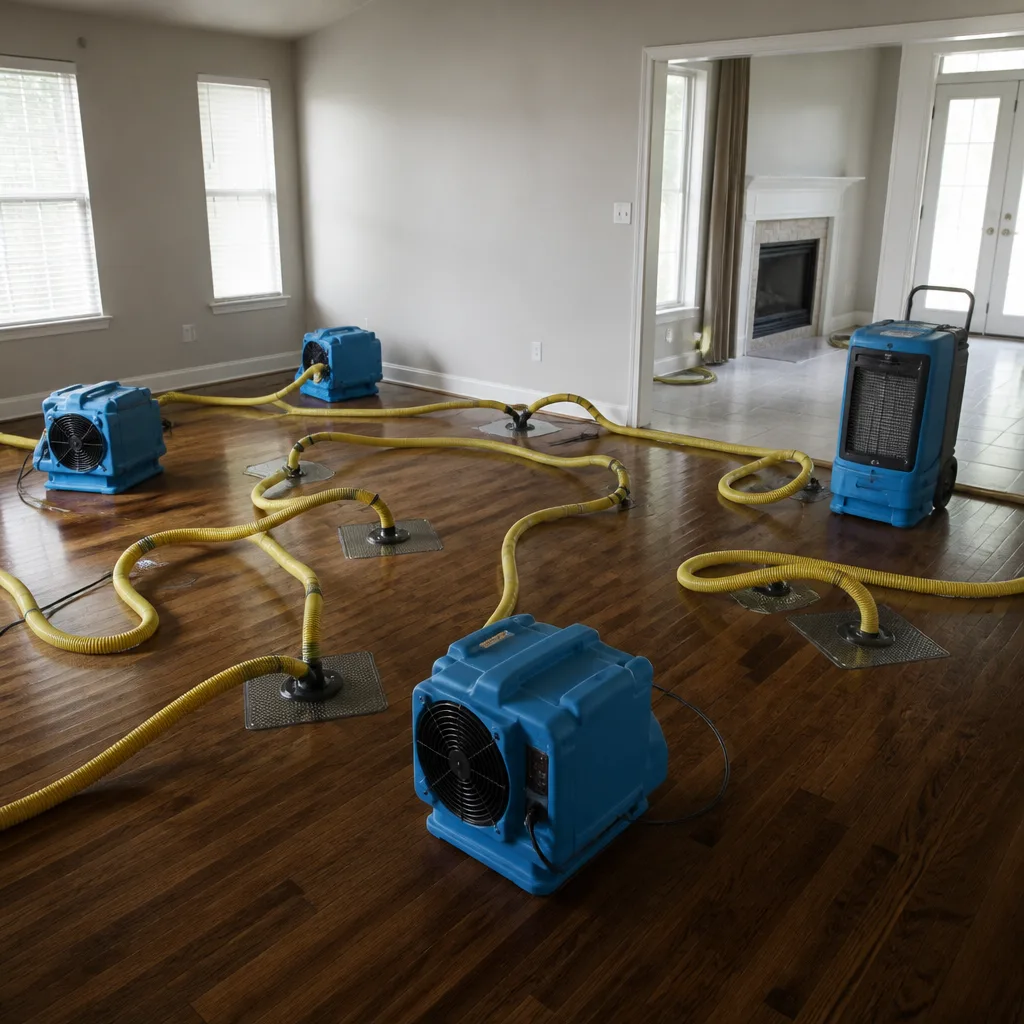
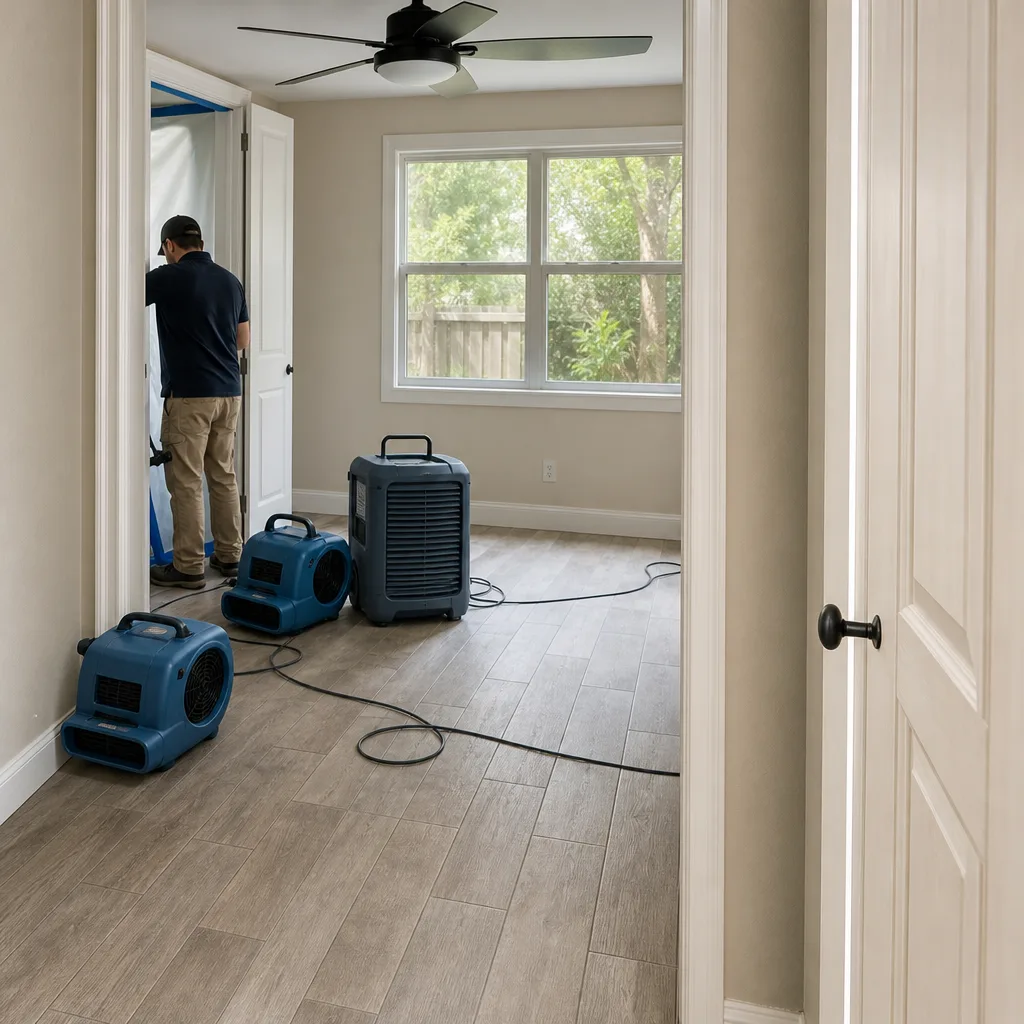
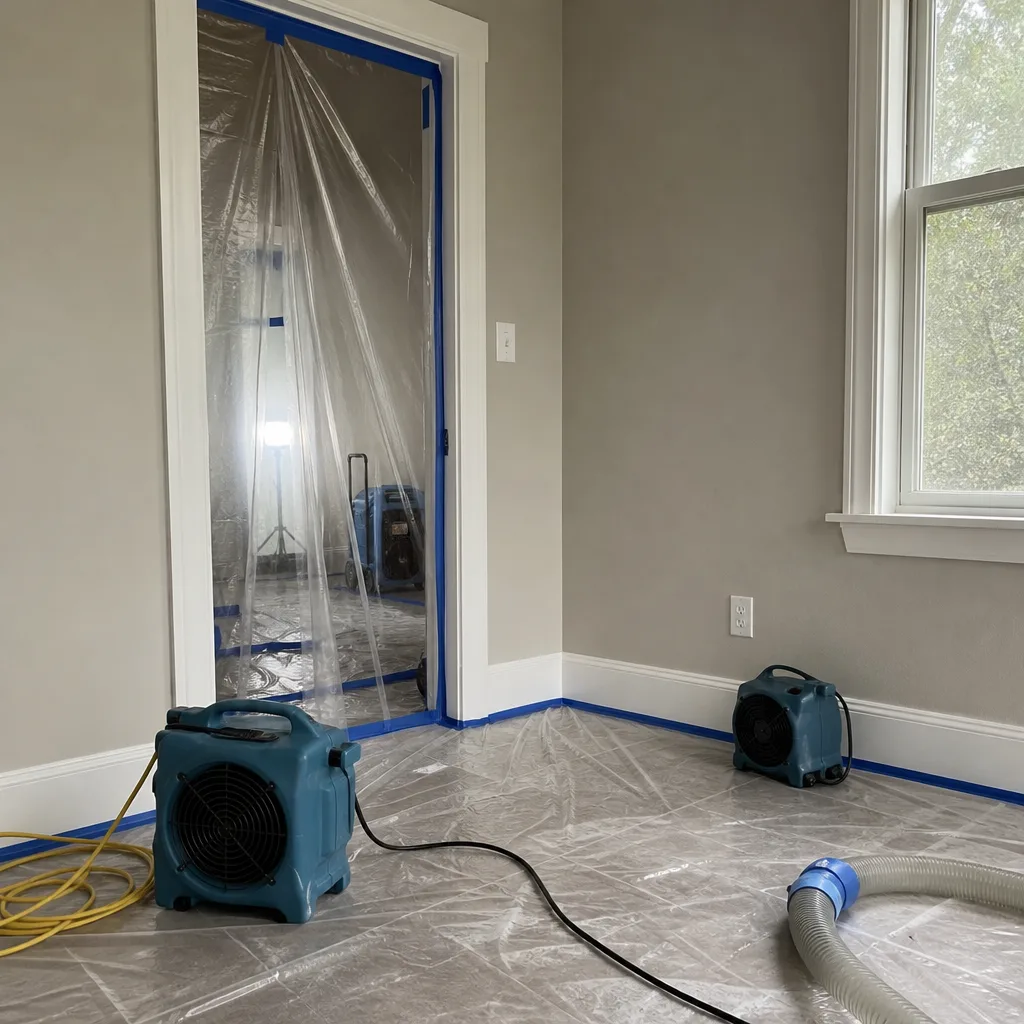
- Minute 7-8: Ask about the drying equipment they plan to use. Listen for brand names like Dri-Eaz, Phoenix, or XPOWER. These are the professional-grade machines used on commercial loss sites, not the box-store fans a handyman rents by the day. Equipment quality directly affects how long drying takes and whether hidden moisture gets left behind.
- Minute 9-10: Ask for a written arrival window you can track. A specific time, not “sometime this afternoon.” Contractors with live dispatch systems can tell you exactly when a technician will arrive and let you follow them on a map. If they can’t, you have no way to hold them accountable.
This ten-minute process eliminates most bad actors before they ever step foot in your home. We know because we’ve worked alongside Austin homeowners who skipped it and paid the price, sometimes literally, in the form of inflated invoices, unfinished work, and secondary damage that insurance refused to cover. Explore more guides & resources to protect your home.
Red-Flag Language to Listen For
Contractors reveal themselves in the first phone call if you know what to listen for. Certain phrases signal opaque billing, lack of training, or a business model built on exploiting emergencies. Here are the lines that should make you hang up:
- “We’ll assess once we’re on-site.” This is the most common deflection tactic in the industry. What it really means is: “We’ll get into your house, start tearing things out, and then hand you a bill you weren’t expecting.” A legitimate contractor can discuss scope and pricing over the phone based on what you describe, then confirm in writing before work begins. On-site assessment should refine a written estimate, not create one from scratch after demo has already started.
- “We work directly with your insurance.” This sounds reassuring, but it’s often a way to sidestep giving you a price at all. The contractor intends to bill your insurer whatever they can negotiate, which leaves you with surprise out-of-pocket costs when the adjuster pushes back. A transparent contractor gives you a written price and lets you decide how to handle insurance. We photograph every phase of the job so you have documentation for your adjuster, but the price you agreed to is the price you pay, full stop.
- “We can start right now, just sign this.” Urgency is real after water damage, but a contractor pushing you to sign an authorization form before you’ve read it is not doing you a favor. Legitimate mitigation work can begin with a verbal agreement and a written scope, not a rushed signature on a five-page contract with blank dollar amounts.
- “We don’t need to pull permits.” Reconstruction work in Austin often requires city permits, especially anything involving structural drying, electrical, or plumbing. A contractor who dismisses permits is either misinformed or cutting corners. The City of Austin requires permits for most reconstruction work beyond cosmetic repairs.
- “You don’t need to be home.” Never let a restoration crew into your home without someone present, at least for the first visit. Walk-through documentation, equipment placement, and initial readings should all happen with you watching. At Wendell Restoration Austin, our technicians are background-checked and uniformed, and we encourage you to be present for the initial assessment.
How to Verify an IICRC Certificate in 60 Seconds
The IICRC (Institute of Inspection, Cleaning and Restoration Certification) is the restoration industry’s main certification body. When a contractor says they’re IICRC-certified, that claim means something only if you can verify it. Here’s how to check a certificate number live in under a minute:
- Ask the contractor for their IICRC certificate number. It’s typically a six to seven digit number. Write it down exactly as given.
- Go to the IICRC global locator at iicrc.org/locate-a-certified-professional. This is the official registry. Anyone can search it without an account.
- Enter the number or the company name and city. The registry will show the technician’s name, their certification categories (Water Damage Restoration Technician, Applied Structural Drying, Mold Remediation Specialist, etc.), and their certification status.
- Check the certification category matches the job you need. A technician certified in carpet cleaning is not the same as one certified in water damage restoration. Look for WRT (Water Damage Restoration Technician) and ASD (Applied Structural Drying) for water jobs, and AMRT (Applied Microbial Remediation Technician) for mold work.
- Note the certification date. IICRC certifications don’t expire, but the IICRC recommends continuing education. A technician who got certified in 2009 and hasn’t updated since may not be current on modern drying science.
This check takes less time than ordering a coffee on your phone. Do it while the contractor is still on the line, and tell them you’re doing it. A legitimate operator won’t flinch. We publish our IICRC credentials and encourage every homeowner we speak with to verify them. At Wendell, we work to IICRC, RIA, and IFA standards, which means every job follows the same drying science and safety protocols used on large commercial losses. It’s not a marketing slogan; it’s the baseline for doing the work correctly.
How to Read a Scope of Work Document
A legitimate scope of work reads like a line-item invoice plus a technical plan. A predatory “authorization to proceed” form reads like a blank check. Knowing the difference is the single most important skill you can develop before a contractor walks through your door. Here’s what a real scope of work includes:
- Specific rooms and square footage. “Living room, 320 sq ft, carpet and pad removal” is legitimate. “Water damage, first floor” is not. Every affected area should be named and measured.
- Equipment list with quantities. A detailed scope tells you how many air movers, dehumidifiers, and air scrubbers will be placed in each room. It specifies the brand and model. You should see names like Dri-Eaz, Phoenix, or XPOWER, the same professional-grade equipment used on commercial jobs.
- Drying protocol. The scope should describe the drying method, including psychrometric monitoring. Psychrometric drying means tracking the air’s moisture level with specialized meters so we know when your home is truly dry, not just surface-dry. This matters because surfaces can feel dry while structural wood and drywall are still soaked, and closing up a wall too early creates a mold problem in a matter of weeks.
- Antimicrobial treatment specifics. If mold is present or suspected, the scope should name the antimicrobial products being used and the application method, not just say “treat affected areas.”
- Line-item pricing. Every step gets a dollar amount. Demolition, drying, monitoring, antimicrobial application, reconstruction: each one is a separate line with a specific price. The total at the bottom is what you authorize.
- Timeline. A real scope tells you when equipment goes in, how long drying is expected to take, and when follow-up moisture readings will happen. Three to five days is typical for structural drying. If a contractor promises “extra fast drying” in 24 hours with no moisture mapping, be skeptical.
Compare that to what we call the “single-page sign-here”: a one-page authorization form with blank spaces for amounts, vague language about “all necessary work,” and a signature line at the bottom. These forms are designed to convert panicked homeowners into open-ended billing agreements. Never sign one. A written price before any work starts is the single most important protection you have. It’s also the thing bad contractors hate most, because it removes their ability to inflate the bill after demo has begun.
The One Question That Separates Transparent Contractors
After years of working in Austin restoration, we’ve found one question that predicts whether a contractor will be transparent or difficult more reliably than any credential check: “Can you give me a written arrival window I can track?”
A contractor with real dispatch infrastructure can tell you exactly when a technician will arrive and let you follow the vehicle in real time, the way you’d track an Uber or a pizza delivery. They can do this because they have software that manages schedules, not a single dispatcher juggling phone calls. A contractor without that infrastructure will say something like “we’ll be there sometime after lunch” or “the tech will call you when he’s on the way.” That vague language is a preview of how the entire project will go. If they can’t track their own technician, how will they track moisture readings, drying progress, or reconstruction schedules?
This question also reveals how the company thinks about accountability. A trackable arrival window is a promise. If the technician is late, you can see it. If they cancel, there’s a record. Companies that resist trackable arrival times are companies that don’t want to be measured. At Wendell, every job runs on The Relay Standard, which includes a live arrival time you can track from your phone. It’s not a gimmick. It’s the same technology rideshare companies use, applied to restoration vehicles. When you know who is coming, when they’ll arrive, and exactly what it costs, the entire transaction changes character. The contractor is accountable before they ever walk through your door.
If a contractor can’t answer this question, what should you do? Keep looking. Austin has dozens of restoration companies, and the good ones have modern dispatch systems. You’re not asking for a miracle. You’re asking for the same standard of service you get from a food delivery app.
What We See in Different Austin Neighborhoods
Every Austin neighborhood has its own damage patterns, and a contractor who knows them will move faster and diagnose more accurately than one who doesn’t. Here’s what we see in our work across the city:
Central Austin (Hyde Park, Clarksville, Tarrytown): These older neighborhoods have a mix of pier-and-beam and slab foundations, plus original galvanized plumbing in many homes built before 1960. Galvanized pipes corrode from the inside out, which means pinhole leaks can develop suddenly and run for days before showing up as water stains on a ceiling. In Tarrytown, we regularly see crawl-space moisture issues that never manifest on the first floor until mold appears in floor joists. Pier-and-beam homes also dry differently than slab homes: you have to dry under the house as well as inside it, and that requires equipment placement in the crawl space, not just in the living room.
Mueller and East Austin: The rapid construction in Mueller and along East 7th means newer homes with modern materials, but construction defects are common. We see shower pan failures and water heater pan overflow issues in homes less than ten years old. The soil in East Austin is also some of the most expansive in the city, which means foundation movement and the slab leaks that follow it are more common here than in West Austin.
Westlake and the Hill Country edge: Homes built on limestone ledges deal with drainage patterns that don’t exist on the flatlands. Surface water from uphill lots can work its way into basements and lower levels during heavy storms. We also see more deck and exterior door flashing failures because homes are built into slopes, and gravity puts more water pressure on the uphill side. A contractor who doesn’t understand hill country drainage will dry the inside and ignore the source outside, guaranteeing the problem comes back.
Round Rock, Pflugerville, and Cedar Park: These growing suburbs have newer construction but also shallow soil over rock, which means slab leaks are frequent. The freeze events Austin has seen in recent years hit these areas hard because many homes lack adequate pipe insulation. Attic PEX lines freeze, burst, and thaw, dumping water through ceilings for hours before anyone notices.
None of this means you need a contractor who only works your neighborhood. It means you need one who has worked your neighborhood enough to know its failure patterns. Ask a contractor what they typically see in your part of Austin. A real answer tells you they’ve been there before.
Common Mistakes to Avoid
- Calling your insurance company first and waiting. Your insurer will eventually send an adjuster, but every hour you wait, water keeps moving through drywall, flooring, and framing. Call a restoration company first, get mitigation started, and document everything for insurance afterward. We photograph every phase so your adjuster can see exactly what happened and what we did.
- Hiring a general contractor for water mitigation. General contractors build and remodel. They are not trained in psychrometric drying, moisture mapping, or antimicrobial protocols. A general contractor will tear out wet materials and put in new ones, often without fully drying the structure first, which is how you get mold behind new drywall. Water damage mitigation and Water Damage Repair in Austin are different jobs with different training requirements.
- Accepting a verbal price. A price spoken over the phone is worth the paper it isn’t written on. Before any work starts, you should have a document with line-item pricing, a total, and the contractor’s signature on it. No document, no work. Period.
- Using box fans and a dehumidifier from Home Depot for a pipe burst. We understand the impulse to save money, but consumer-grade equipment cannot generate the airflow or moisture removal rates needed to dry wall cavities, subfloors, and framing. You’ll get the surface dry and leave moisture trapped inside, which leads to mold in weeks. Professional-grade machines from Dri-Eaz and Phoenix move thousands of cubic feet of air per minute, and they’re paired with moisture meters that confirm when the structure is actually dry.
- Ignoring the humidity in your attic or crawl space during drying. Water damage in an enclosed space like an attic or crawl space creates a humidity pocket that box fans can’t address. Proper drying requires managing the air’s moisture level throughout the affected area, not just at the visible damage point. This is where psychrometric monitoring matters: we measure the air’s moisture level continuously to know when the space is truly dry, not just when the visible puddle is gone.
- Skipping the insurance documentation step. Even if you think the damage is too small to file a claim, take photos before, during, and after mitigation. If a secondary issue appears later (which happens when hidden moisture wasn’t addressed), you need a paper trail. We text before-and-after photos on every job, and that documentation has helped many Austin homeowners with their adjusters.
- Choosing the cheapest quote without checking credentials. Restoration pricing should be competitive, but a bid that’s thousands below everyone else usually means the contractor is skipping equipment, using consumer-grade fans, or planning to bill for extras later. The written price protects you, but only if the scope it describes is complete. A low number on an incomplete scope is the most expensive price you’ll ever pay.
When to Call a Professional
Some water damage situations are manageable with a mop and a fan. Others are not, and waiting can turn a $2,000 mitigation into a $20,000 reconstruction. Call a professional immediately if: water has been running for more than a few hours; water has touched drywall, insulation, or flooring materials like carpet, hardwood, or laminate; the water source is a sewage backup or contains any gray or black water; you smell a musty odor within 24 hours; or you see water stains on ceilings or walls that weren’t there before. In these scenarios, water is already moving through structural materials, and professional drying equipment is the only thing that stops the damage from spreading. Mold Remediation in Austin is closely linked here. If water has been present for more than 48 hours, assume mold spores have activated and treat the situation as a mold remediation project, not just a drying job. Wendell Restoration Austin offers free estimates in Austin: call (325) 237-2088 and a live person answers, 24/7.
Frequently Asked Questions
For typical pipe burst or leak mitigation in Austin, expect to pay $1,800 to $4,500 for a single-room water loss involving extraction, drying, and antimicrobial treatment. A whole-home flood or sewage backup typically runs $6,000 to $15,000 or more, depending on how much demolition and reconstruction is required. These are general ranges based on Austin market conditions, and the only way to get an exact figure is a written scope of work. Call (325) 237-2088 for a free estimate. The number we put in writing is the number you pay, and we put it in writing before any work starts.
During normal conditions, a restoration contractor with live dispatch can have a technician at your door within 60 to 90 minutes in most parts of Austin. During citywide storm events, response times stretch because demand spikes, but a company with real dispatch infrastructure will still give you a specific arrival time you can track. If a contractor says “we’ll get there when we can,” you’re being deprioritized. Wendell Restoration Austin answers every call with a live person and gives you a trackable arrival time, so you know exactly when help is coming.
Most standard Texas homeowners policies cover sudden and accidental water damage, such as a pipe burst or appliance failure, but exclude gradual leaks, flooding from outside sources, and sewer backups unless you carry separate flood or sewer backup coverage. The best move is to call your insurer to confirm coverage, but don’t wait for them to dispatch an adjuster before starting mitigation. Document everything with photos and keep all written scopes and invoices. We photograph every phase of the job and can work directly with your adjuster to provide the documentation they need.
If water touched drywall, insulation, hardwood, laminate, or any porous material, you need professional drying, not just surface cleaning. Consumer fans and dehumidifiers cannot remove moisture from wall cavities or subfloors, and trapped moisture leads to mold growth within 24 to 48 hours in Austin’s climate. The IICRC standard for structural drying uses professional equipment and moisture mapping to confirm the structure is dry throughout, not just on the surface. For small spills on tile or concrete that you catch immediately, DIY drying is reasonable. For everything else, call a professional.
Ask for their IICRC certification number and verify it live at iicrc.org/locate-a-certified-professional. Check the specific categories match your job: WRT (Water Damage Restoration Technician) and ASD (Applied Structural Drying) for water damage, AMRT (Applied Microbial Remediation Technician) for mold. Also ask for a certificate of insurance naming your address as the job site. A legitimate contractor will produce both documents without hesitation. Wendell holds IICRC, RIA, and IFA certifications and encourages every homeowner to verify them.
You should always be the point person with your insurer, but a good restoration contractor will support you with the documentation your adjuster needs: photos before, during, and after mitigation, moisture readings, equipment logs, and a written scope with line-item pricing. At Wendell, we text you before-and-after photos and provide complete documentation so you can hand your adjuster a full record. We also give you a written price that stands regardless of what your insurer reimburses, so there are no surprises in either direction.
The City of Austin requires permits for most reconstruction work beyond cosmetic repairs, including structural drying that involves cutting into walls, plumbing repair, and electrical work. Mitigation only (water extraction, drying, antimicrobial treatment) typically doesn’t require a permit, but the reconstruction that follows often does. A qualified contractor will tell you when permits are needed and pull them. If a contractor says permits are never required, that’s a red flag. Ask about permit requirements for your specific scope before work begins.
The Bottom Line
Hiring a damage restoration contractor in Austin under emergency conditions is hard, but it doesn’t have to be a gamble. The ten-minute vetting sequence, the IICRC verification check, and the written scope of work requirement give you a repeatable process that works even at 2 a.m. with water rising. The contractors who pass these checks are the ones who will handle your home correctly, document the work for insurance, and stand behind it with a written guarantee. The ones who fail are exactly who you’d expect: unverified, uninsured, and unable to give you a price in writing. Demand better. Austin has plenty of qualified restoration companies. Wendell Restoration Austin is one of them, and we built our entire process around the things homeowners told us they hate most: phone tag, vague arrival windows, surprise pricing, and no proof the job was done right. We answer every call with a live person, send you a trackable arrival time, put the price in writing before we touch anything, and back every repair with our 365-Day Done Right Promise. If it’s not done right, we make it right. Call (325) 237-2088 for a free estimate and see what restoration should feel like.
Written by Blake Sorensen, Owner at Wendell Restoration Austin, serving Austin since 2006.
See the difference
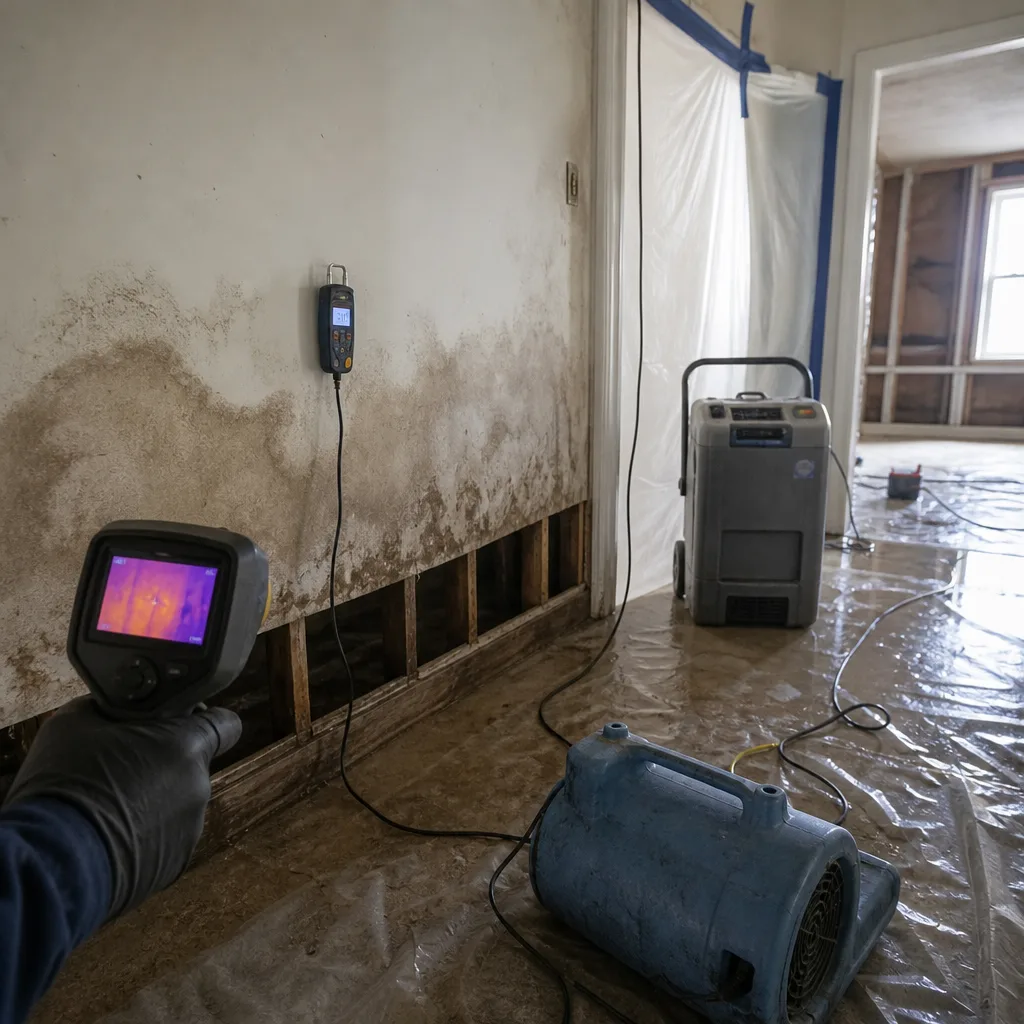 Before
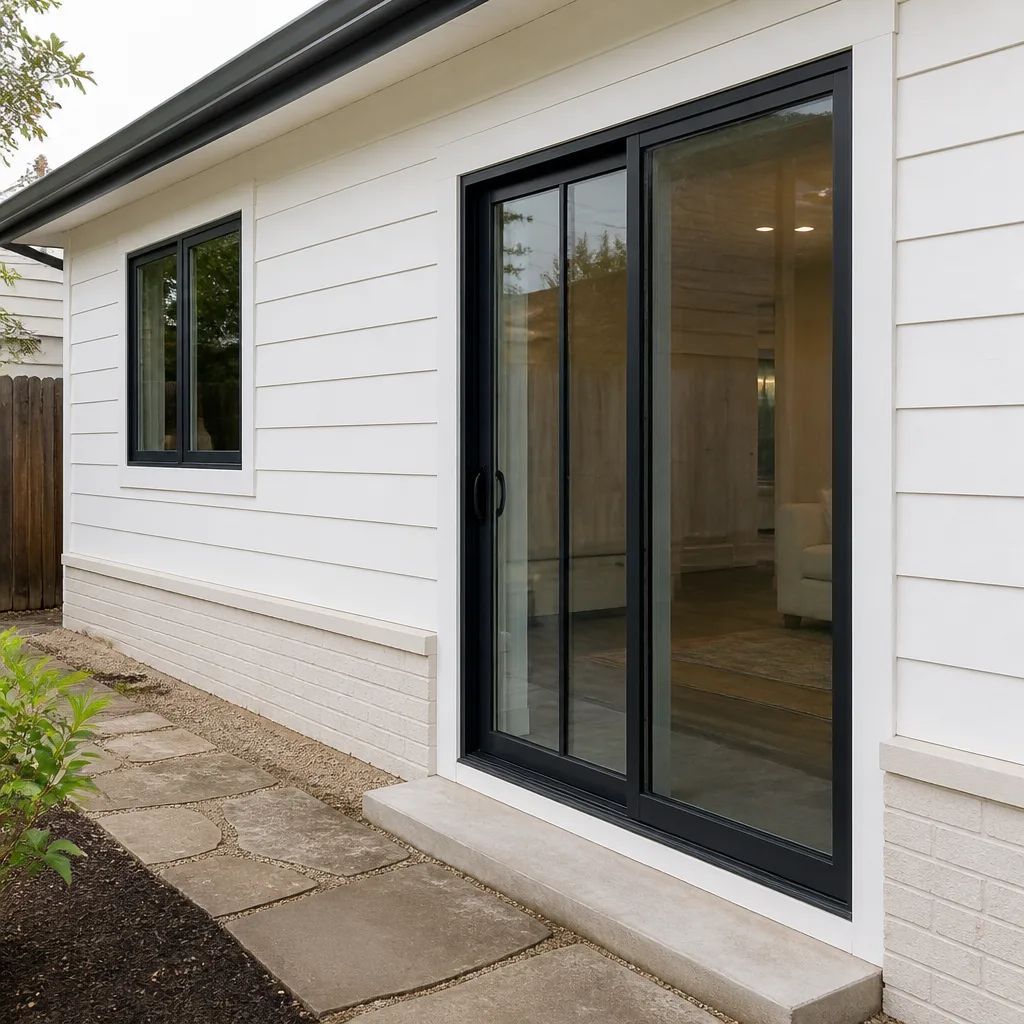 After
After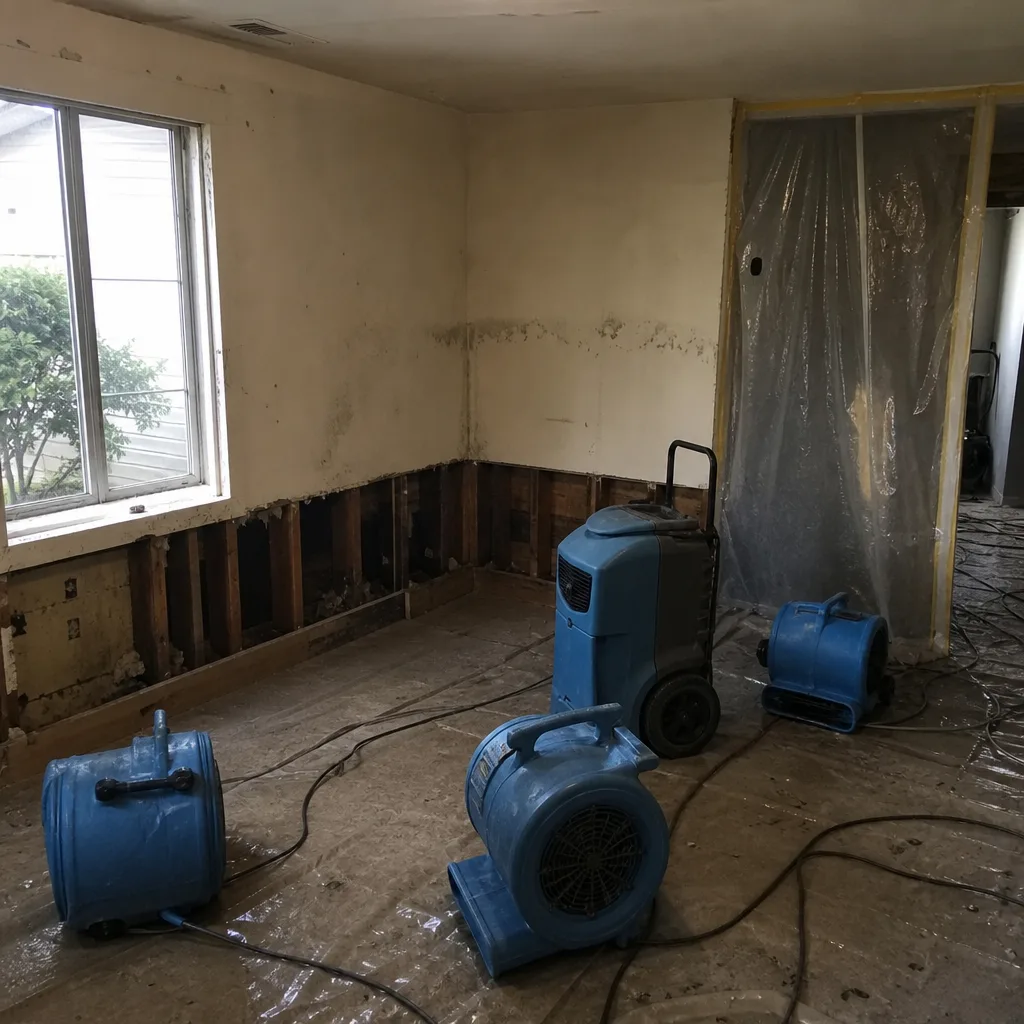 Before
 After
After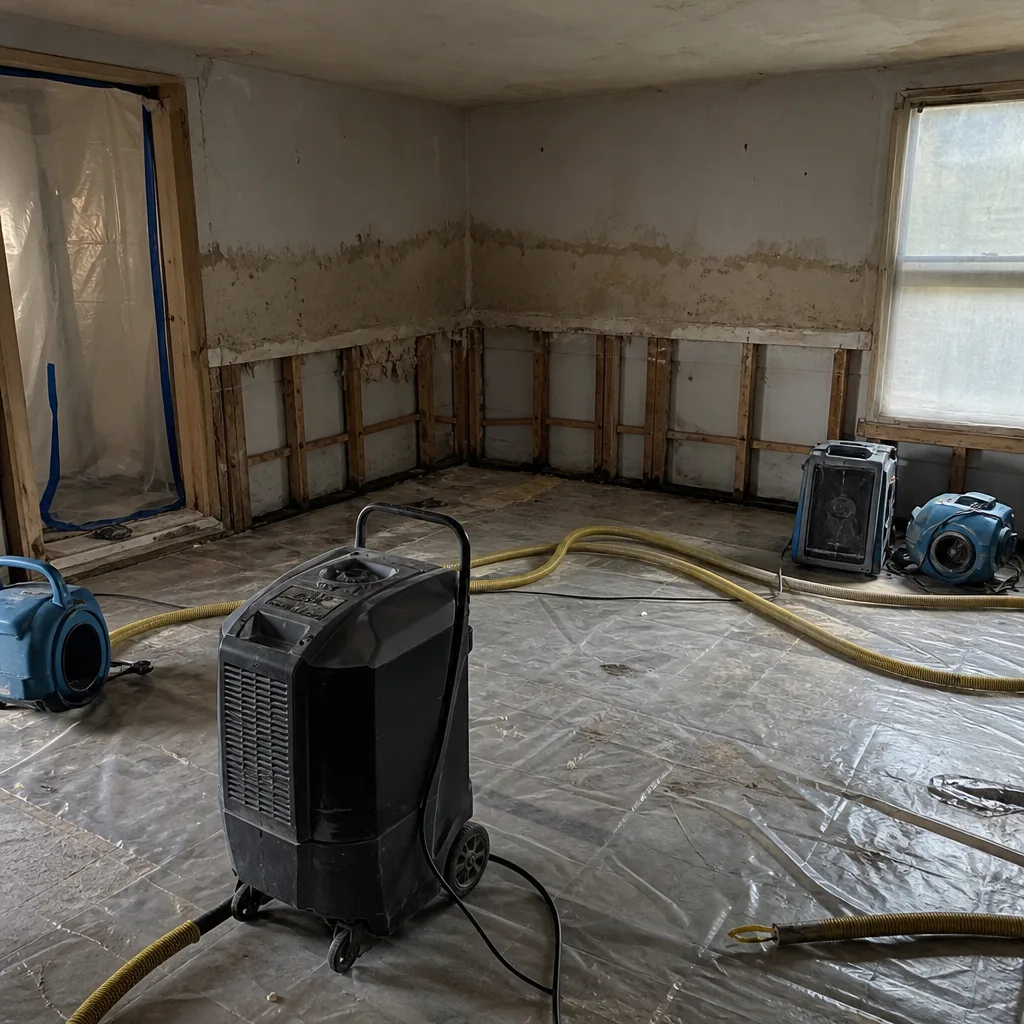 Before
 After
After