
Last updated October 16, 2026
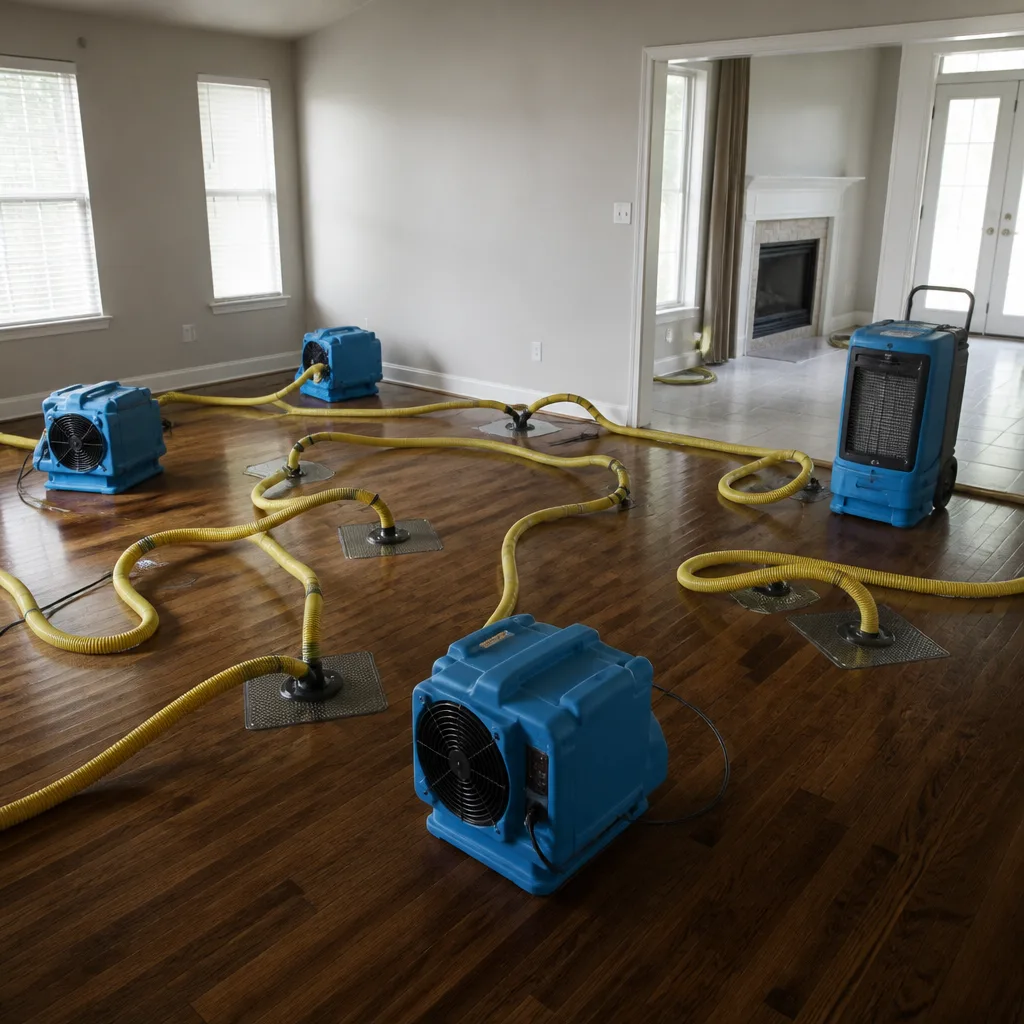 Water damage drying
 Fire & smoke cleanup
 Mold remediation
 Storm response
 Sewage cleanup
 Reconstruction
Free visual inspection and a written scope of work before any mitigation begins - photos, moisture readings, and drying logs go in your claim file
The scope we write is the scope we bill. Anything new gets shown to you, in writing, before we touch it.
Get your free estimateWater Damage Restoration Maintenance Checklist for Austin Homeowners
The most common source of water damage Wendell technicians find in Austin homes isn’t storms. It’s a slow supply line failure behind a toilet or under a sink that went unnoticed for weeks because nobody had a reason to look. This guide is built around that reality. We’ve organized this checklist by failure probability, not by season, because Austin’s climate and housing stock create risks that don’t follow a tidy spring-and-fall maintenance calendar. You’ll learn which specific components fail most often in Central Texas homes, how to establish a moisture baseline before damage ever occurs, what to check after every significant rainfall if you’re on a pier-and-beam foundation, and which skipped maintenance tasks can void an insurance claim.
Quick Answer
A water damage prevention checklist for Austin homeowners starts with the highest-probability failure points: braided steel supply lines on toilets and sinks, ice maker hoses, water heater pressure relief valves, and HVAC condensate drain lines. The most effective routine is a quarterly visual inspection plus a monthly moisture meter baseline reading in vulnerable areas like under sinks, behind the refrigerator, and around the water heater. Austin’s extreme summer heat accelerates rubber and plastic deterioration faster than in cooler climates, so supply lines that look fine at year three may be near failure at year five. The single highest-value habit is photographing every accessible plumbing connection twice a year so you have a dated record if a claim ever comes.
Restoration work we handle
Table of Contents
- The Ranked Risk Checklist: What Actually Fails in Austin Homes
- The 15-Minute DIY Moisture Baseline: Your “Normal” Number Before Damage Happens
- Pier-and-Beam Crawl Space Checks After Every Significant Rainfall
- Maintenance Tasks That Can Void a Homeowner’s Insurance Claim
- The Photo-Log Protocol: What Before Photos to Keep and Where to Store Them
- Seasonal Overlays: Austin-Specific Timing for the Quarterly Checklist
- Common Mistakes to Avoid
- When to Call a Professional
The Ranked Risk Checklist: What Actually Fails in Austin Homes
We’ve spent nearly two decades inside Austin homes after water damage has already happened, as detailed in The Complete Guide to Damage Restoration in Austin. The pattern is remarkably consistent. Here’s what fails, ranked by how often we see it, starting with the most frequent offender.
1. Toilet Supply Lines (Braided Steel Fails Too)
The braided steel supply line behind your toilet looks indestructible. It isn’t. The rubber inner tube degrades from chlorine in Austin’s municipal water supply, and the crimped metal ends corrode where they meet the fill valve. When one lets go, it releases 2 to 3 gallons per minute at full pressure. A toilet supply line that fails while nobody is home can put hundreds of gallons into a bathroom, hallway, and whatever lives below it in under an hour. Check these every 90 days: look for rust at the crimp points, any bulging in the braid, and any drips at the connection nuts. Replace any supply line older than six years. And check every toilet in the house, not just the one you use most.
2. Ice Maker and Refrigerator Water Lines
The 1/4-inch plastic or copper line running from your kitchen wall to the refrigerator is the second most common failure point we see in Austin kitchens. These lines sit behind a hot refrigerator compressor, in a warm cabinet void, and they’re jostled every time you pull the fridge out to clean. The plastic versions get brittle from heat cycling. The copper versions can develop pinhole leaks from vibration fatigue. Either way, the leak usually starts as a slow drip that soaks into the cabinet base and floor for weeks before anyone notices. Check this line quarterly. Better: replace plastic saddle-valve connections with a proper quarter-turn angle stop and a braided supply line made for ice makers.
3. Water Heater Pressure Relief Valves
Central Texas has hard water. Mineral buildup inside water heater pressure relief valves is a known failure mode here. When a relief valve sticks shut, the tank can overpressurize. When it sticks open, it drips continuously. Both are bad. The drip is the more common Austin scenario: a slow, mineral-blocked drip from the valve discharge pipe that homeowners ignore because it’s “just a little water.” That little water runs down the discharge pipe into a drain pan, and if the drain pan isn’t piped to daylight or a drain, it overflows and soaks the closet floor, the hallway carpet, and the ceiling below if the heater is on the second floor. Test the relief valve twice a year by lifting the lever briefly and letting it snap shut. If water keeps dripping after it closes, replace the valve.
4. HVAC Condensate Drain Lines
Your air conditioner in Austin pulls gallons of humidity out of the air every day. That water has to go somewhere, and the condensate drain line is where it goes until the line clogs with algae and dust. Then the water backs up and spills out of the air handler’s secondary pan, which has no drain, which means it spills onto your ceiling or floor. This is one of the most common summer water damage events we respond to in Austin, and it’s almost entirely preventable. Pour a cup of white vinegar down the condensate line every month during cooling season. If the line is already slow, a wet-dry vacuum on the drain outlet can pull the clog out. For a deeper clean of the trap and line, a service call is cheaper than a ceiling repair.
5. Washing Machine Hoses
Rubber washing machine hoses are under constant pressure and fail at the crimp where the rubber meets the brass fitting. The failure is often catastrophic: a full-blast rupture in a laundry room that floods the room, the hallway, and anything below in minutes. In Austin’s heat, rubber hoses in unconditioned laundry rooms and garages dry out and crack even faster. Replace rubber washing machine hoses with braided steel every five years, no matter how they look. If your laundry room is in an unconditioned garage, make that every three years.
The 15-Minute DIY Moisture Baseline: Your “Normal” Number Before Damage Happens
A $20 pin meter is the single most useful water damage prevention tool an Austin homeowner can own. You don’t need a $400 professional model. You need a basic two-pin meter with a wood and drywall setting, available at any hardware store or online. Here’s why: when water damage happens slowly, the first sign is usually a moisture reading that’s higher than normal for that specific spot in your house. But you can’t spot an abnormal reading if you don’t know what normal is. This is where a baseline comes in.
- Buy a pin meter. Look for one with a digital display and a wood/drywall mode switch. $20 to $35 is the sweet spot.
- Pick your baseline spots. Choose 10 to 12 spots: under every sink, behind the toilet, behind the refrigerator, around the water heater, under the dishwasher, in the laundry room, and on the ceiling directly below any upstairs bathroom.
- Take and record readings. Press the pins into the drywall or wood and write down the number. Dry drywall in an air-conditioned Austin home typically reads 7 to 12 percent. Wood typically reads 8 to 14 percent. Your numbers will vary by season; that’s fine. What you’re capturing is the relative normal for your home.
- Date the readings. Put the numbers in a note on your phone with the date. Do this on a dry day, not after a rain.
- Recheck monthly. Any spot that jumps 5 percentage points or more from its baseline deserves a closer look. Peel back an access panel. Feel the drywall. If it’s soft, or if the number keeps climbing, you have a slow leak.
This takes 15 minutes. It turns a vague “I think something might be wet” into a measurable, dated record. When we show up to a call in Austin, the homeowners who had a baseline reading are the ones who caught their damage in week one instead of month three. That difference is thousands of dollars and the difference between a repair and a full remediation.
Pier-and-Beam Crawl Space Checks After Every Significant Rainfall
Austin has two foundation types: slab and pier-and-beam. Pier-and-beam is common in older central neighborhoods like Hyde Park, Rosedale, Travis Heights, and parts of Mueller. It’s also the foundation type most vulnerable to water intrusion because the crawl space sits open to the soil beneath the house. Central Texas soil is expansive clay. It moves when wet and shrinks when dry. That movement, repeated season after season, creates entry points around plumbing penetrations, foundation vents, and sill plates.
After every rainfall of one inch or more, walk the perimeter of your pier-and-beam home and look at the foundation line. Check for standing water or soggy soil pooling against the foundation. Water should slope away from the house for at least six feet. If it doesn’t, you’ll need regrading, French drains, or extended downspouts. Inside the crawl space, or from the access hatch if you’re not going in, look for these things:
- Damp soil directly under the house. Moisture in the crawl space air rises into the floor joists and subfloor. Chronic crawl space dampness causes wood rot and, eventually, the musty smell that everyone misdiagnoses as carpet odor.
- Insulation that has fallen or is sagging. Fallen insulation is a sign that a subfloor got wet at some point and the insulation waterlogged.
- Plumbing leaks at the joints. Galvanized supply pipes and cast iron drains in older central Austin homes develop pinhole leaks and joint failures. A slow drip in a crawl space goes unnoticed until the floor above starts to sag.
- Foundation vent screens that are missing or damaged. Open vents let humid air in during humid months and, after a heavy rain, they let surface water splash in directly.
Crawl space moisture is not a cosmetic issue in Austin. It’s a structural issue. If your crawl space smells musty after it rains, or if you can see damp soil from the access hatch, call a professional who can assess the full extent. Water Damage Restoration in Austin involves more than drying the living space, and crawl space drying is its own discipline, requiring proper vapor barriers seen on every call we run in older neighborhoods.
Maintenance Tasks That Can Void a Homeowner’s Insurance Claim
Texas insurance policies for homeowners are written on standard ISO forms, and every one of them contains a duty to maintain. You don’t have to read the entire policy to understand the principle: insurance covers sudden and accidental damage, not damage caused by neglect. When an insurer denies a water damage claim in Austin, it’s almost always because the adjuster found evidence that a maintenance failure caused the loss. Here are the specific maintenance gaps that adjusters look for.
Ignored or visible slow leaks. If the drywall under a sink shows months of water staining, or if you have text messages or emails from a plumber saying there’s a small leak you chose not to fix, the claim will be denied as long-term seepage. The policy language is usually “continuous or repeated seepage or leakage over a period of 14 days or more.” Keep signed, dated repair records for every plumbing fix, even minor ones.
Skipped water heater maintenance. A water heater that fails catastrophically because the pressure relief valve was never tested, or because the tank was never flushed, will draw adjuster scrutiny. Austin’s hard water makes annual flushing more important here than in most of Texas. Keep a record of when you last flushed the tank and tested the relief valve.
Damaged or missing roof covering. If a storm blows water through a section of roof that was already missing shingles for six months, the insurer can argue that the damage predated the storm event. Walk your roof line after every major storm season and repair lifted shingles promptly.
Failure to maintain grading and drainage. If surface water enters your foundation because gutters haven’t been cleaned in years and downspouts drain directly against the foundation, the claim can be denied on the grounds of improper maintenance. Clean gutters twice a year in Austin; our oak trees dump leaves spring and fall.
Neglected dishwasher or washing machine supply lines. A burst rubber supply hose that failed due to visible dry rot and cracking is a denial waiting to happen. The insurer will argue age and condition made the failure foreseeable. Replace rubber hoses proactively and save the receipts.
The unifying principle: insurers pay for sudden events, not slow deterioration. Your maintenance record, kept as photos and receipts, is the evidence that a loss wasn’t foreseeable. If you’re ever mid-claim and need a restoration professional who can document the damage for your adjuster, our Water Damage Repair in Austin team provides photo documentation on every job.
The Photo-Log Protocol: What Before Photos to Keep and Where to Store Them
If you file a water damage claim, the first thing your adjuster will ask for is proof of what the area looked like before the loss. Not after. Before. Almost no homeowner has these photos, which is why this section exists. This is a 20-minute system that can save you a claim dispute later.
What to Photograph
- Every plumbing connection you can access: under every sink, behind every toilet, behind the washing machine, behind the refrigerator. Get a wide shot showing the whole area and a close-up of the connection point.
- Your water heater: the full unit, the relief valve and discharge pipe, the drain pan, and the surrounding floor or wall.
- Your HVAC air handler and condensate line: the unit, the drain line, and the secondary pan.
- Ceilings directly below any plumbing: bathrooms, kitchen, laundry. Photograph them from the room below during daylight so the drywall texture is visible.
- Your foundation perimeter: walk the outside of the house and photograph the soil line against the foundation from every side. This documents your grading and drainage as maintained.
- Your crawl space access hatch: from the outside, and the view looking in from the hatch opening.
Where to Store Them
- Create a dedicated album on your phone. Name it “Home Baseline [Month Year].”
- Back up to a cloud service that’s not just your phone. Phones get lost, broken, and replaced. Use Google Photos, iCloud, Dropbox, or any cloud service you already use.
- Refresh the album twice a year. Austin’s climate is hard on homes. Your “before” needs to be recent enough to be credible. Re-shoot the same spots every six months and date the album.
- Share the album with your insurance agent if they’ll accept it. Not every agency will, but the ones who do now have a dated visual record of your home’s condition.
This protocol matters in Central Texas because our climate creates two damage modes simultaneously: flash flood that strikes hard and fast, and slow humidity-driven deterioration that insurance adjusters often contest. Dated photos settle the fight. We see this in Austin constantly: homeowners with a photo log get claims approved faster. Homeowners without one get denials and delays.
Seasonal Overlays: Austin-Specific Timing for the Quarterly Checklist
The quarterly checklist works year-round, but Austin’s climate deserves a seasonal overlay. Here’s what to add on top of the standard checks at the right times of year.
Spring (March to May): Storm Season Prep
This is hailstorm season in Central Texas. Clean gutters and downspouts before the spring rains. Check the roof for lifted or missing shingles from winter winds. Walk the foundation perimeter and make sure soil slopes away from the house. Test your sump pump if you have one, even though they’re rare in Austin. And check every exterior door and window seal before the humidity arrives.
Summer (June to September): Heat and AC Stress
Austin summers regularly hit 100 degrees for weeks straight. That heat is brutal on rubber, plastic, and anything with a crimped connection. Check supply lines monthly in the summer, especially in unconditioned garages and utility closets. Pay close attention to your HVAC condensate drain line during cooling season; a clogged line in August is one of the most predictable water damage events we see. Check the ceiling around every register and the air handler for condensation marks.
Fall (September to November): The Second Rainy Season
Central Texas has a second rainfall peak in September and October. Oak trees drop their leaves, which clog gutters and valley flashing. Clean gutters again before Thanksgiving. Check the crawl space after every major rain event during these months; the soil is at maximum saturation and foundation movement is most likely.
Winter (December to February): The Freeze Risk
Austin freezes hard enough to burst pipes roughly every two to three years, and the region has been through repeated freeze events in recent memory. Before the first freeze, insulate outdoor hose bibs, drain and disconnect hoses, and know where your main water shutoff is. Drip interior faucets on the coldest nights, especially along exterior walls. A burst pipe during a hard freeze releases water until someone notices, which often means hours. The damage from a frozen supply line is frequently catastrophic: the water runs through the wall cavity before it’s ever visible on a floor.
Common Mistakes to Avoid
- Assuming braided steel supply lines last forever. They don’t. The rubber liner degrades from chlorine and heat. Replace every six years in Austin’s climate, regardless of how good they look.
- Ignoring a small drip because it’s “just a little water.” A drip behind a toilet or under a sink is a countdown. It’s soaking the subfloor, the drywall, and the ceiling below even when the visible drip looks tiny.
- Testing the water heater relief valve never. A stuck valve is a ticking clock. Test it twice a year and replace it if it keeps dripping after the test.
- Relying on a water sensor without a shutoff plan. Sensors tell you when water is already on the floor. They don’t stop the water. For meaningful protection, install a whole-house or appliance-specific automatic shutoff valve.
- Waiting until after a claim to take before photos. By then it’s too late. Start a photo log now, before you need it. This is the single most underrated action in this entire guide.
- Cleaning gutters only when they overflow. In Austin, overwhelmed gutters spill against the foundation, and Central Texas expansive clay expands when wet. That’s a structural problem on top of a water problem.
- Using rubber washing machine hoses for years. Rubber hoses become dry junk in Austin heat. Switch to braided steel and set a calendar reminder for replacement every five years.
When to Call a Professional
Most of the checks in this guide are DIY, but some situations require a professional eye. Call if you find a moisture reading more than 5 percentage points above baseline that doesn’t come down after a few days of drying. Call if you see visible mold, which in Austin’s humidity can appear within 48 to 72 hours of water exposure. Call if you find water staining on a ceiling that suggests hidden water intrusion from above. And call if you’ve had a supply line burst, an appliance flood, or any event that soaked drywall or flooring with more than a few inches of water. Mold Remediation in Austin is not a weekend project; the IICRC protocols for containment and air scrubbing require the right gear. Wendell Restoration Austin offers free estimates in Austin, and we answer the phone live 24/7, not with a voicemail service. Call (325) 237-2088 if you’re unsure whether what you’re looking at is a minor thing or the first sign of something bigger.
See the difference
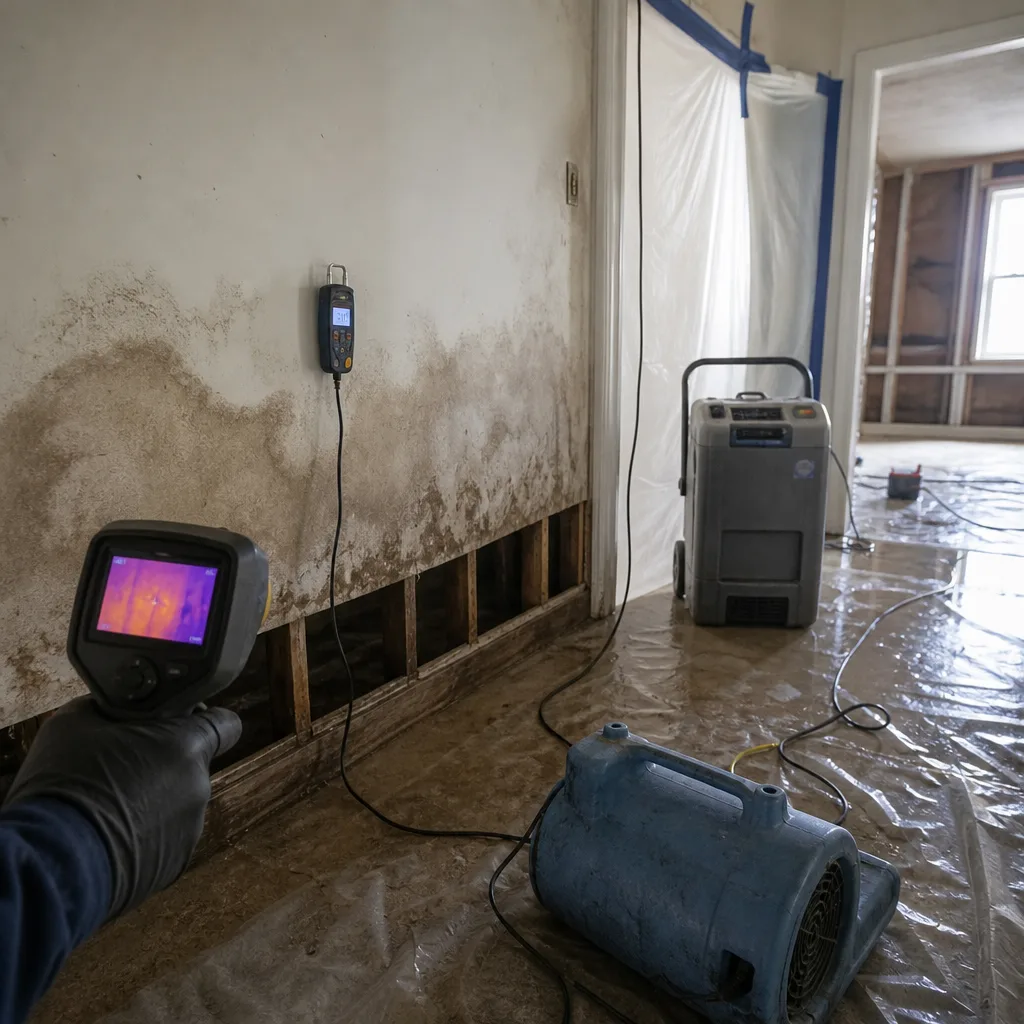 Before
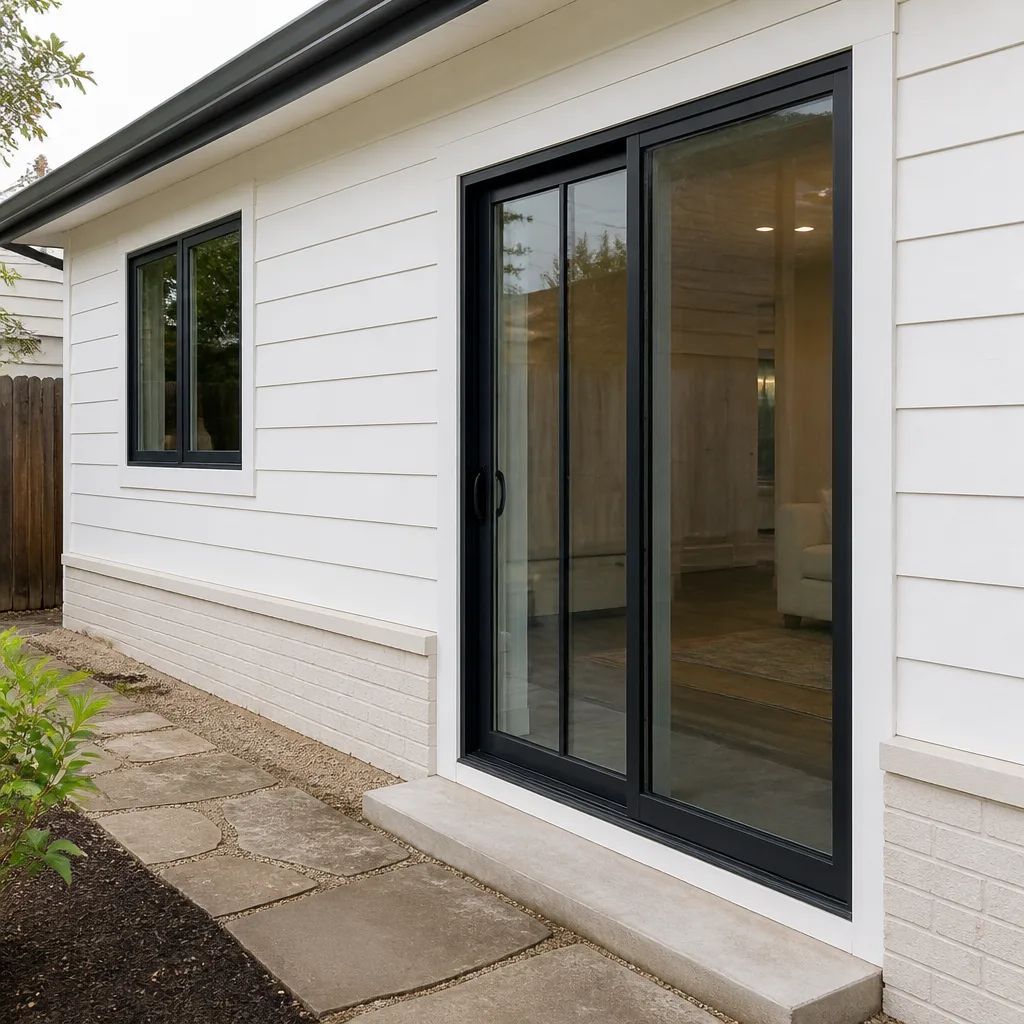 After
After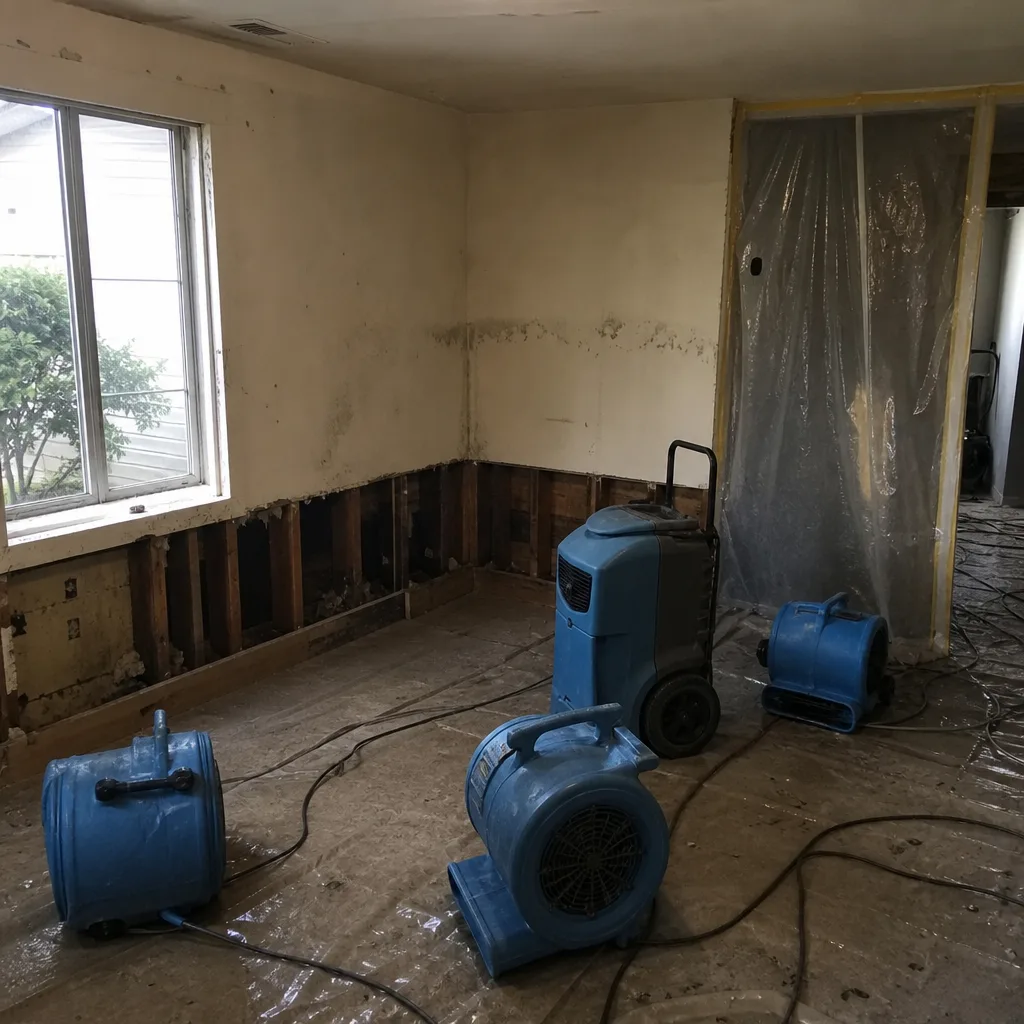 Before
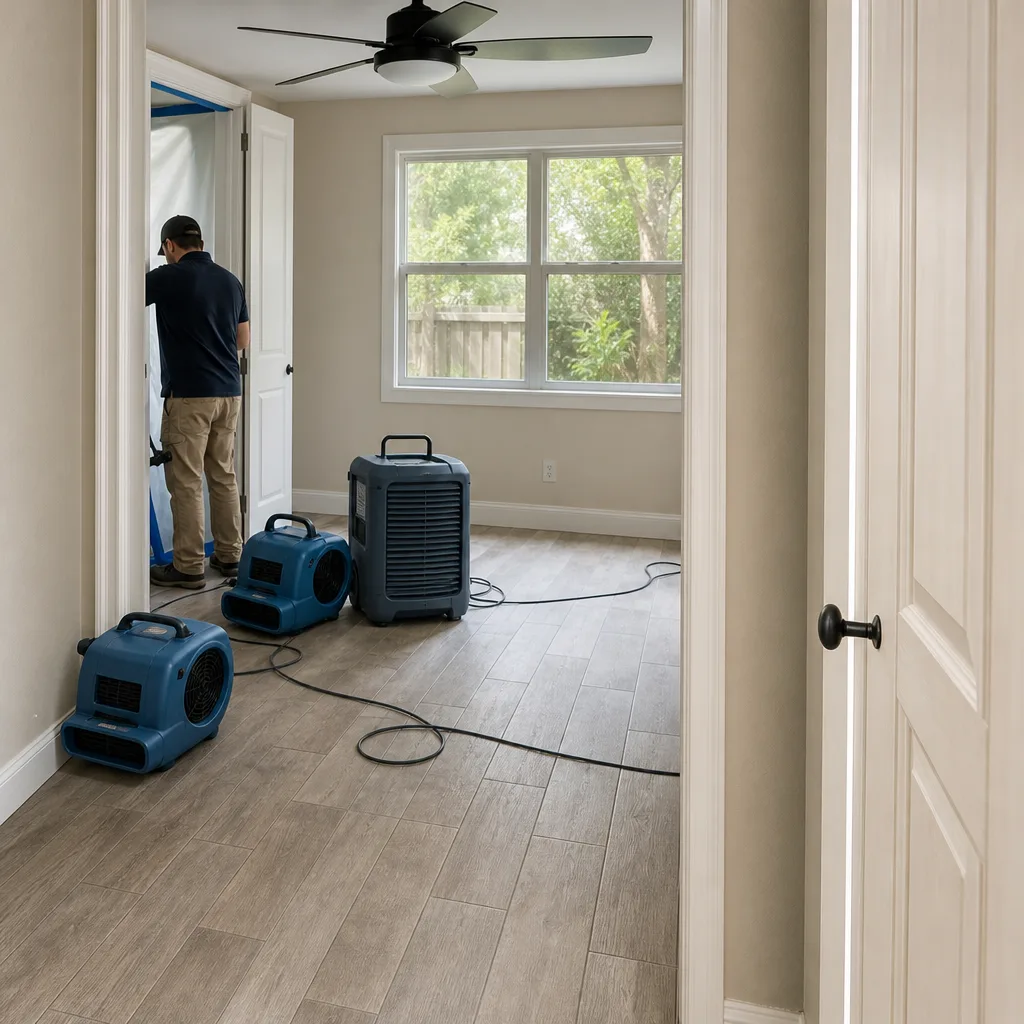 After
After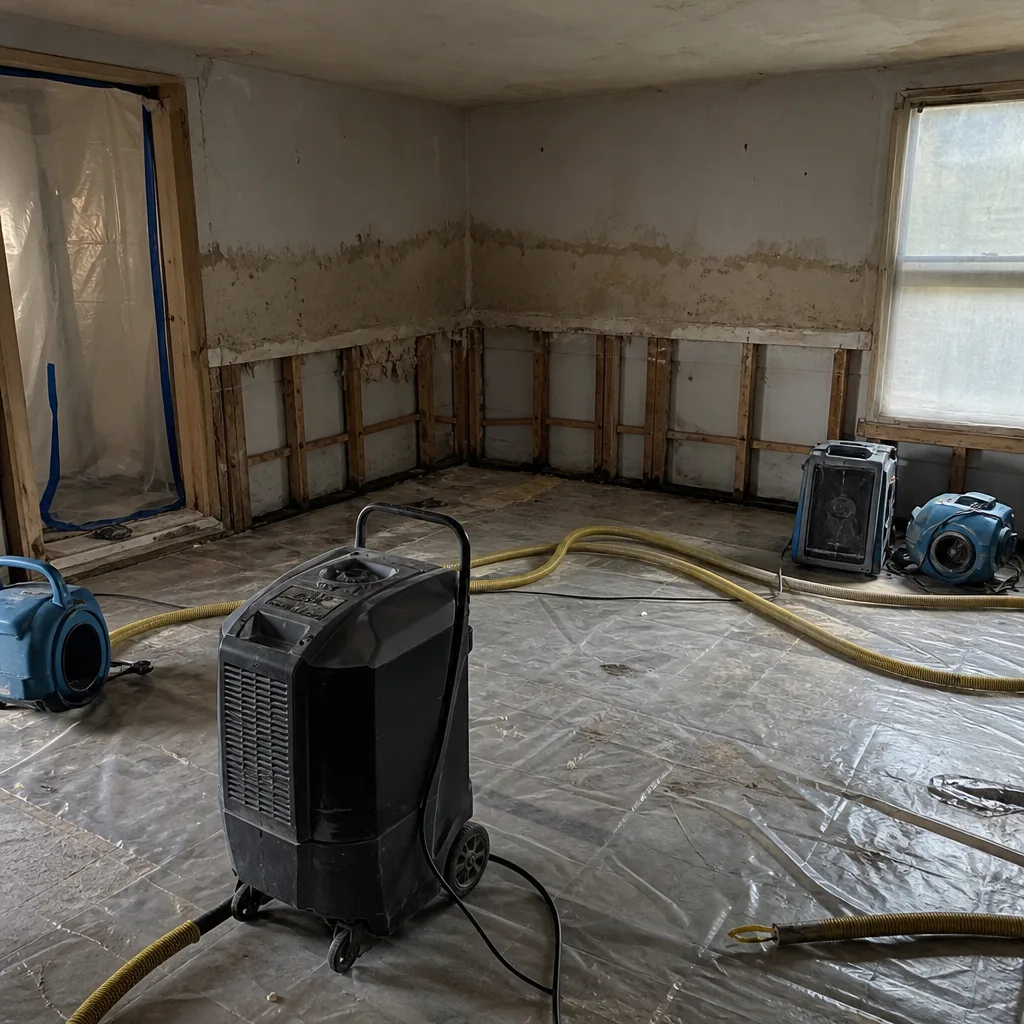 Before
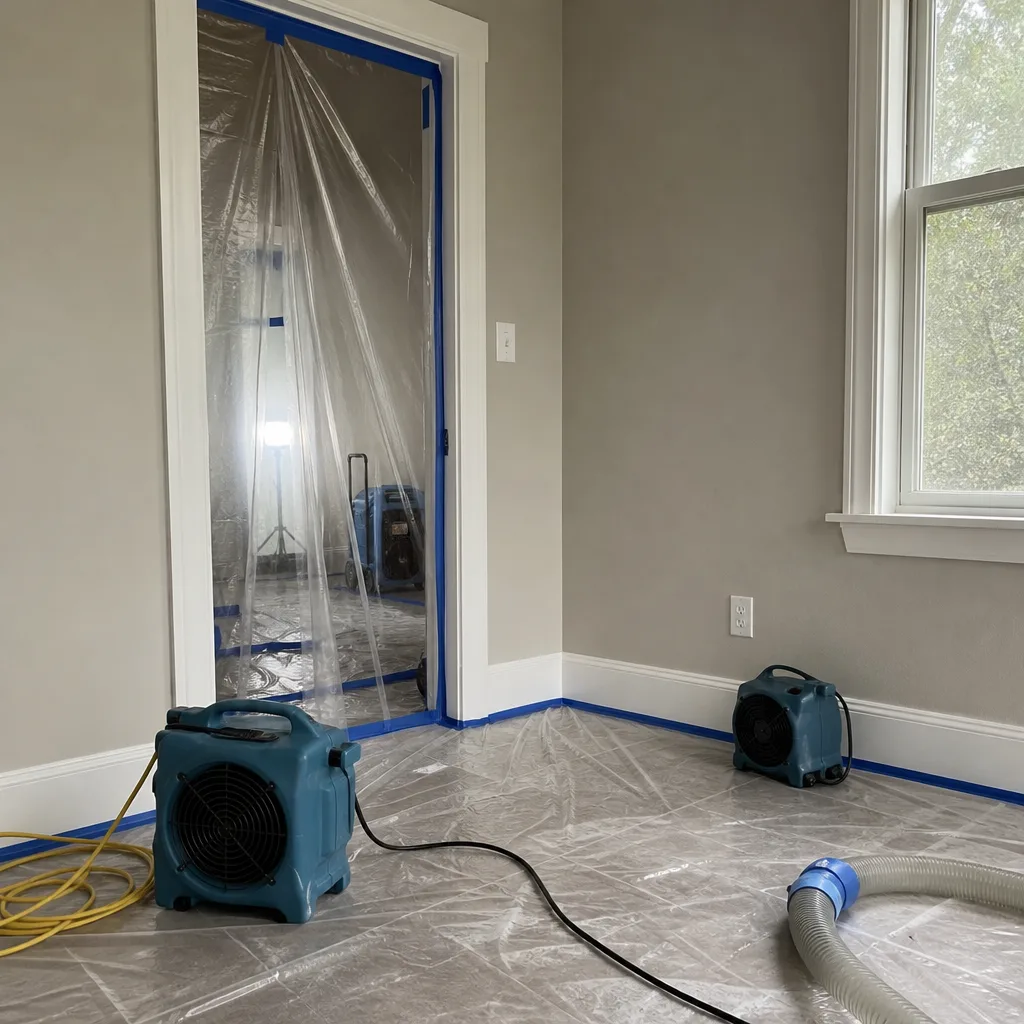 After
AfterFrequently Asked Questions
Do a full visual check every 90 days, and a moisture meter reading monthly in high-risk spots. Austin’s summer heat accelerates material failure, so monthly checks during June through September are the most important.
Toilet supply line failures, followed by refrigerator and ice maker line failures. Both are slow, preventable failures that typically go unnoticed for weeks before causing visible damage. Neither is storm-related in the majority of Austin cases we respond to.
Yes, if the failure was sudden and accidental, and if your maintenance records support that. If the line was visibly deteriorated, or if evidence shows a slow leak ran for weeks before the failure, the claim can be denied under the policy’s seepage exclusion. Dated photos and receipts are your defense.
Water sensors tell you when water is already on the floor. A moisture meter tells you when the wall or subfloor is holding moisture before it ever becomes a puddle. They do different jobs, and both are useful in a Central Texas home.
If you’re on a pier-and-beam foundation, check the crawl space for damp soil, fallen insulation, and water intrusion at foundation vents. Also clean gutters and check the roof line for lifted shingles. Austin’s clay soil moves aggressively after heavy rain, which can shift plumbing connections and open small leaks.
We answer calls live 24/7 and dispatch same-day in Austin for active water damage. You’ll get a written price before any work starts, a live arrival time you can track, and before-and-after photos by text. Call (325) 237-2088 for a free estimate.
The Bottom Line
Water damage in Austin is preventable more often than it’s not. The failures we see most are supply lines, ice maker hoses, pressure relief valves, and condensate drains, and every one of them gives warning signs before it lets go, if someone is looking. Start with a $20 moisture meter and a dated photo log. Check the high-risk spots quarterly, more often in summer. Maintain your crawl space after every heavy rain if you’re on pier-and-beam. Keep receipts and photos for the insurance company. This is not a complicated system, but it is a consistent one, and you can find more guides & resources on our blog. The homeowners who follow it catch failures in week one instead of month three. The ones who don’t call us after the damage has already spread into the walls and the ceiling below. Both calls get answered the same way: a live person, a straight answer, and a written price before any tool touches your house. Call (325) 237-2088 for a free estimate or a second opinion on anything you find while you’re checking.
Written by Blake Sorensen, Owner at Wendell Restoration Austin, serving Austin since 2006.