
Last updated October 16, 2026
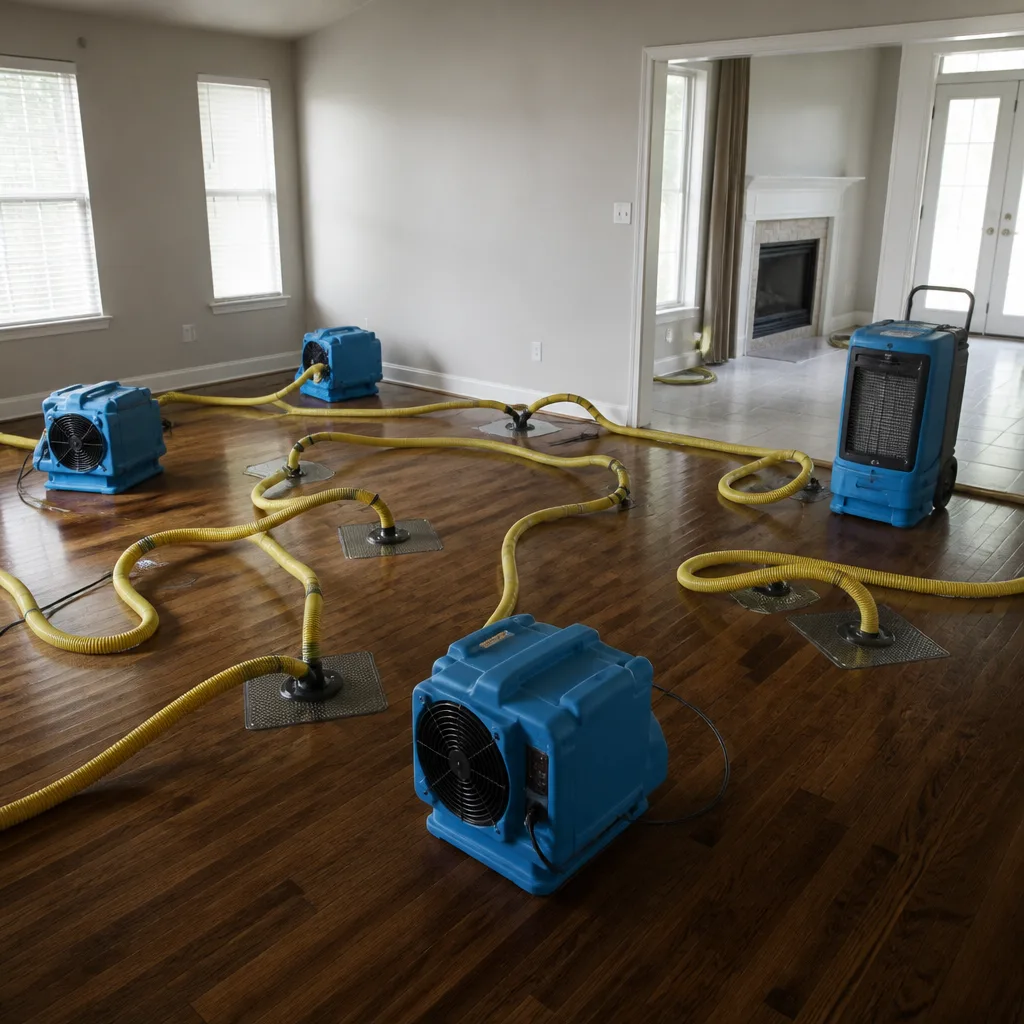 Water damage drying
 Fire & smoke cleanup
 Mold remediation
 Storm response
 Sewage cleanup
 Reconstruction
Free visual inspection and a written scope of work before any mitigation begins - photos, moisture readings, and drying logs go in your claim file
The scope we write is the scope we bill. Anything new gets shown to you, in writing, before we touch it.
Get your free estimateDamage Restoration Permits, Codes & Inspections in TX: What You Need to Know
If a restoration contractor replaces more than 50% of a structural element, say a set of water-rotted floor joists, without pulling a permit in Austin, you could be legally required to tear that work out and redo it before you can sell the house. That’s not a hypothetical. It’s the collision point between Texas building code and the City of Austin’s permitting authority, and it catches a lot of homeowners by surprise. Most people assume permits are the contractor’s problem. They’re not. The permit is attached to the property, not the person who pulled it, which means the long-term consequences land on your title, your insurance file, and your wallet. This guide explains exactly when restoration work crosses into permitted territory, how Austin’s rules differ from the rest of Texas, how to verify a permit was actually pulled, and what to do if you discover work was done without one. For Damage Restoration Warning Signs: A Austin Homeowner’s Reference Guide, see our companion post.
Restoration work we handle
Quick Answer
Water damage restoration that only removes wet materials and dries the structure, think drywall demolition, carpet removal, and running commercial dehumidifiers, typically does not require a permit anywhere in Texas. But as soon as the repair involves structural framing, electrical wiring, plumbing, or HVAC duct replacement, Austin and most Texas cities require a permit. Unpermitted structural work can cloud your title, void an insurance supplement, and trigger expensive tear-out and redo costs before a future sale. The simplest way to protect yourself is to ask for the permit number before work starts and verify it on Austin’s public permit portal.
Table of Contents
- When Restoration Ends and Repair Begins: The Permit Line in Austin
- Austin Development Services Department Thresholds: What Actually Triggers a Permit
- Texas Insurance Code Section 541: Why Unpermitted Work Can Kill Your Claim
- How to Check for an Active Permit in Austin: A Step-by-Step Walkthrough
- Final Inspection vs. Certificate of Occupancy: What Insurance Close-Out Actually Requires
- Keeping Permit Records Attached to Your Project File for the Long Haul
- Common Mistakes to Avoid
- When to Call a Professional
- Frequently Asked Questions
- The Bottom Line
When Restoration Ends and Repair Begins: The Permit Line in Austin
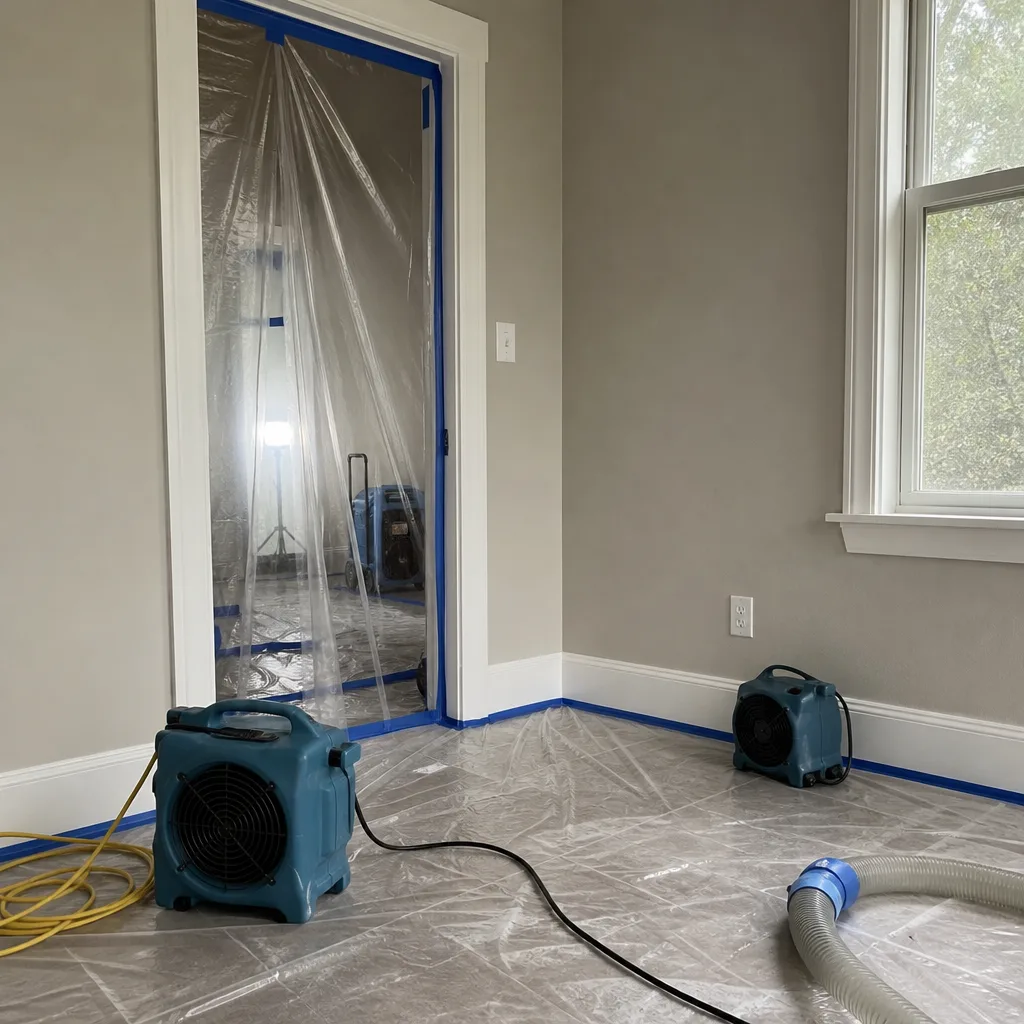
The single most important distinction in Texas damage restoration is the line between mitigation and reconstruction. Mitigation is the emergency work: extracting standing water, cutting out wet drywall, pulling saturated carpet, setting up air movers and dehumidifiers, and running psychrometric drying (tracking the air’s moisture level so you know when the home is truly dry, not just surface-dry). None of that work requires a permit, in Austin or anywhere else in the state. It’s classified the same way as demolition, removing damaged material to expose the structure. You can rip out wet drywall down to the studs without anyone at City Hall caring.
The permit requirement kicks in the moment you start putting things back. Replacing those studs? Permit. Rerunning a circuit that got wet? Permit. Replacing a section of copper supply line or drain pipe? Permit. The logic is simple: Texas follows the International Residential Code, and the IRC requires permits for any work that alters the structure, the electrical system, the plumbing, or the mechanical systems. The City of Austin enforces this through the Austin Development Services Department, and they treat restoration repairs the same way they’d treat a remodel. The fact that the damage came from a burst pipe doesn’t exempt the repair.
In our experience working Water Damage Restoration in Austin, the most common place homeowners get surprised is with flooring. Pulling up wet carpet is mitigation, no permit needed. But if the subfloor underneath is rotted and sections get replaced, that’s structural repair. In Austin, replacing more than 50% of any structural element, a joist, a beam, a section of subfloor, a load-bearing wall, crosses into permitted territory. Some contractors will tell you they can handle it quietly without a permit. What they mean is they can handle it without the City of Austin knowing, which means you’ll be the one dealing with the consequences later.
Pure restoration work that generally does not require a permit in Austin:
- Water extraction and structural drying with commercial equipment
- Removing wet drywall, insulation, carpet, pad, and baseboards
- Antimicrobial treatment applications and odor control
- Content pack-out and off-site cleaning
- Cosmetic repairs that don’t touch structure, electrical, plumbing, or HVAC: paint, trim, cabinet refacing
Repair work that does require a permit in Austin:
- Replacing any structural framing member, including joists, studs, beams, and subfloor sections
- Replacing or rerouting electrical wiring that was exposed to water
- Replacing section of plumbing supply line, drain line, or water heater
- Replacing ductwork or HVAC equipment damaged by water or mold
- Any repair that changes the layout of walls, doors, or windows
Austin Development Services Department Thresholds: What Actually Triggers a Permit
Austin’s Development Services Department publishes specific thresholds for when a repair crosses into permitted work. These numbers matter because they’re lower than what many contractors assume, and they’re enforced more aggressively than in surrounding communities. The City of Austin inspects more aggressively than Round Rock, Pflugerville, or Cedar Park, largely because Austin’s code compliance division gets more tips from neighbors watching contractor trucks, and more requests from title companies during home sales.
The structural threshold is the most important one for water damage. If water sat long enough to rot framing, say after a supply line leaked inside a wall cavity for weeks before anyone noticed, the repair almost certainly involves replacing structural members. In Austin, any structural repair that involves cutting into a load-bearing wall, replacing a structural beam or column, or repairing more than 50% of a floor system requires a residential repair permit. The 50% figure is the same threshold Texas uses for substantial damage determinations under floodplain management rules. If a home with flood insurance is damaged beyond 50% of its market value, it triggers a completely different compliance path under FEMA rules. That’s a separate topic, but it’s worth knowing the threshold exists because it uses the same number.
Electrical work is where Austin is strictest. Any wiring that was submerged or contacted water for more than a few hours needs to be evaluated. The NEC, which Texas adopts at the state level, requires replacement of most water-damaged wiring and devices. If the remediation involves pulling a new circuit or replacing a panel, that’s electrical permit work, no question. Austin requires a master electrician’s license to pull that permit, which is why a good restoration company subcontracts the licensed trades rather than trying to handle everything in-house.
Plumbing follows the same pattern. Replacing a burst section of pipe is a plumbing permit item. Replacing a water heater that flooded is a plumbing permit item. The City of Austin issues these permits through the same Development Services Department, and they require a licensed master plumber to pull them. The only plumbing exception is a true emergency repair to stop active leaking, and even that requires filing for the permit retroactively within a short window.
In our experience, the cleanest way to avoid guessing is to have the restoration company document exactly what was removed during mitigation, with photos, and then file permits for the repair phase before any material gets installed. We follow IICRC and RIA standards on every job, and that documentation discipline makes the permit conversation a lot simpler when the City asks what happened. If you’re dealing with a Mold Remediation in Austin situation that uncovered structural rot, the permit trigger is the same: remediation itself isn’t permitted, but the structural repairs that follow it are.
Texas Insurance Code Section 541: Why Unpermitted Work Can Kill Your Claim
Section 541 of the Texas Insurance Code prohibits deceptive trade practices in the business of insurance. Most people read that and think it’s about insurance companies lying to policyholders. And it is. But there’s a second edge to that blade, and it cuts toward the contractor. When a restoration contractor performs work that required a permit and didn’t pull one, and then bills your insurer for that work, the billing itself can be characterized as a deceptive practice. Your insurer has grounds to deny the supplement, to recover funds already paid, and to flag your claim file.
Here’s how that plays out in practice. A pipe bursts in a wall. The mitigation team comes in, cuts out wet drywall, dries everything, and writes an estimate for reconstruction. But during reconstruction it’s discovered that the water damaged three floor joists and a section of the rim board. The contractor replaces them, bills for the framing work, and your insurer pays. Six months later, you discover the permit was never pulled. Now your insurer has paid for unpermitted structural work. Under Section 541, they can argue the billing was deceptive because it represented the work as compliant with local code when it wasn’t. The denial and recovery process is slow and ugly, and you’re the one holding the bag.
We’ve seen Austin homeowners get stuck between their insurer and a contractor who promised them “no permit needed, don’t worry about it.” When you’re in the middle of a water loss, the last thing you want is another line item on the estimate. But that permit fee is a few hundred dollars. The cost of redoing unpermitted structural work, paying an engineer to certify the fix, pulling a retroactive permit, and negotiating with a title company before a sale runs into the tens of thousands. The math never works in favor of skipping the permit when the code requires it.
The insurance angle also affects the supplemental estimate process, which is something most homeowners never hear about until they’re in it. After mitigation is complete and reconstruction begins, the contractor often discovers the full scope of damage is larger than the initial estimate reflected. They file a supplement with your insurer for the additional work. If that supplement request includes structural or electrical work that required a permit, and no permit exists, the supplement gets denied. The contractor may then look to you for the balance. A written supplement with the permit number attached is much harder for an adjuster to reject. This is one of the reasons we put the price in writing before any work starts and keep permit records in the project file: the documentation holds up when an adjuster reviews it.
How to Check for an Active Permit in Austin: A Step-by-Step Walkthrough
Austin makes it surprisingly easy to verify whether a permit has been pulled for your address. The Austin Build + Connect portal, which the Development Services Department runs, is the public-facing system for permit applications, status, and inspection results. If you know how to use it, you can confirm within three minutes whether your contractor actually pulled the permit they said they pulled. If you don’t know how to use it, you’re relying on a contractor’s word, and that’s not where a careful homeowner wants to end up after a water loss.
Here’s the step-by-step process we walk our customers through when they want to verify an active permit at their Austin address:
- Go to the Austin Build + Connect portal. Search for “Austin Build + Connect” or navigate to the Development Services Department page on the City of Austin website. You do not need to create an account to search for existing permits.
- Select “Permit Search” from the main menu. The portal supports searches by address, by permit number, and by contractor name. The address search is usually the fastest.
- Enter your street address and select Austin, TX. The portal will return a list of permits associated with the property, both active and historical. Each entry shows the permit type, issue date, current status, and the contractor of record.
- Look for a permit matching the scope of your restoration project. Structural repair permits are usually listed under “Residential Repair” or “Building Repair.” Electrical and plumbing work will have separate permits with separate numbers, pulled by the respective licensed trades.
- Check the status field. An active permit shows “Issued” with open inspections pending. A permit that was pulled and then completed will show “Closed” or “Final.” A permit number that doesn’t appear at all means nobody pulled a permit matching that description.
- If nothing is listed while work is underway, ask questions. There is no version of this scenario where you should accept “the City’s portal is just behind” as an explanation. Austin’s system updates permit issuance in real time. If work is happening and no permit exists, you have a problem to solve, not a lag to tolerate.
What does it mean if nothing is listed? It means one of two things. Either the work genuinely doesn’t require a permit, which is common for pure mitigation, or the contractor skipped the permit. The way to tell the difference is to ask the simple question: “Is any of the work you’re doing structural, electrical, plumbing, or HVAC?” If the answer is yes and no permit number exists, that’s a red flag worth pausing the job over. A reputable restoration contractor will show you the permit number without hesitation. At Wendell Restoration Austin, if a repair crosses the permit threshold, the permit number goes into your project file and gets texted to you as part of your job documentation, same way we send before-and-after photos and the written scope of work.
Final Inspection vs. Certificate of Occupancy: What Insurance Close-Out Actually Requires
People confuse the final inspection with the certificate of occupancy all the time, and the confusion creates real delays at the end of a restoration project. The two documents serve entirely different purposes. Understanding which one you need, and when, saves you from a frustrating back-and-forth with your adjuster and the City of Austin.
A final inspection is the closing step on an individual permit. When your contractor finishes the permitted structural or electrical repair, the Austin Development Services Department sends an inspector to verify the work matches the approved plans and meets adopted code. The inspector signs off, the permit goes to “Final” status, and that particular permit is closed. That’s the document your insurance company wants to see for close-out on a permitted repair. It proves the work that was billed as code-compliant actually passed a code inspection.
A certificate of occupancy, the CO, is a much bigger deal and almost never applies to a typical restoration project. A CO is issued when a building is approved for use as a specific occupancy type, residential or commercial. New construction gets a CO. A gut remodel that changed the use of a building gets a CO. A water damage restoration project that repairs existing conditions doesn’t, unless the damage was so extensive the City considered the structure substantially damaged and required it to be brought fully up to current code. If that happened, you’d already know, because the path to a CO involves plans, engineers, and months of work, not a straightforward restoration.
For insurance close-out, your adjuster cares about two things: proof the mitigation was completed to an acceptable standard, typically documented with moisture readings and a final invoice, and proof that any permitted work passed its final inspection. The CO is not on the checklist unless the project scope expanded into something much larger. If a contractor tells you they’re “processing the certificate of occupancy” for a simple water damage repair in Austin, ask why. It’s either confusion or padding.
One thing worth noting for Austin specifically: the City’s inspection scheduling runs on a first-come basis, and during busy periods, typically after a freeze event or a major storm, inspections can be delayed. That’s another reason to have the permit pulled early in the repair phase, not after the work is already done. You want the final inspection scheduled while the permit is still active and the inspector can still see the work. We tell every homeowner we work with in Austin to expect the final inspection as a required step, not an optional one, whenever a permit is on the job.
Keeping Permit Records Attached to Your Project File for the Long Haul
Here’s the thing about permit records: you will not need them for years, and then you will need them at the worst possible moment. The typical moment is a home sale. The title company runs a search for open permits. If they find a permit that was pulled but never closed, the sale stalls. If they find evidence of structural repair with no permit at all, the disclosure process gets complicated. Sellers in Texas are required to disclose known material defects, and unpermitted structural work qualifies as a material fact a buyer deserves to know. The transaction may survive, but it will happen at a discount.
This is where the documentation process matters from day one. A homeowner who saved the permit number, the inspection result, and the contractor’s scope of work can produce all of it in an afternoon and move the sale forward. A homeowner who relied on the contractor to “handle all that” is now calling phone numbers that no longer work, trying to reconstruct a file that was never kept. In the restoration industry, companies go out of business or change hands more often than a homeowner wants to believe. The file is your only durable asset.
Our job documentation process is built around keeping the permit record attached to your project file from the start. When a permit is pulled on one of our Austin jobs, the permit number is captured in the project file alongside the written scope, the before-and-after photos, and the moisture readings. If the repair fails and you call us back under our 365-Day Done Right Promise, the full file, including the permit record, is still there. If you sell the house three years later and the title company asks, you can produce the permit number and the final inspection result without digging through a filing cabinet. Most restoration companies never think that far ahead. We do, because we’ve seen what happens when the file doesn’t exist.
If you’re working with a contractor on this right now in Austin, ask the direct question: “Will the permit number and final inspection record be included in my project documentation?” If the answer is anything other than an immediate yes, that’s useful information about how that company operates. You want proof, not promises. The same goes for the equipment being used on your job. We run Dri-Eaz dehumidifiers and air movers, the same brand you’ll find on large commercial loss sites, and we document the drying progress with written readings. The point isn’t the brand name. The point is that when someone asks you later, “Was this dried to code?,” you can show them the reading instead of shrugging.
Common Mistakes to Avoid
- Assuming the contractor pulled the permit without verifying it yourself. The most expensive mistake in the whole guide. It takes three minutes to check Austin Build + Connect. A contractor who gets defensive about that question is telling you something.
- Confusing mitigation with reconstruction when asking about permits. People call the City, ask “do I need a permit for water damage restoration,” and get told no. Then they’re surprised when the structural repair that followed needed one. The two phases have different rules.
- Accepting “it’s an emergency, no permit needed” as a blanket statement. Texas and Austin both allow true emergency repairs to stop active damage, but that exemption is narrow and temporary. The retrofit permit filing is still required once the emergency passes.
- Paying the final invoice before the final inspection passes. In Austin, the inspection is supposed to happen before the money changes hands. If the contractor gets full payment before the inspector signs off, your leverage disappears if the inspection fails.
- Losing the permit number after the project wraps. Half the homeowners we talk to in Austin can’t remember whether a permit was even pulled on their repair, let alone find the number. Keep it in a file with your closing documents.
- Assuming the insurance company will catch a permit problem. They won’t, at least not while the claim is open. They catch it later, when a supplement gets denied or a review flags the file. By then, the contractor is gone and you’re explaining the timeline to an adjuster.
- Hiring a contractor who says they “handle everything” without giving you access to the paperwork. In Austin, the permit record is public information tied to your address. You have a right to see it. A contractor who won’t share the permit number before starting permitted work is not doing you a favor.
When to Call a Professional
If the water damage involved standing water for more than 24 hours, if you can see deterioration at the framing level, if electrical outlets were submerged, or if the damage was caused by a sewage backup, the scope is past what any homeowner should tackle alone. Those situations almost always involve some combination of structural repair, electrical evaluation, and antimicrobial treatment that requires professional equipment and, often, a permit. The safety concern on the structural and electrical side is real: water-damaged framing can hold a surprise, and a wet circuit is not a DIY project. If there’s any chance the work crosses the permit threshold, get a professional opinion before anything gets covered up. Wendell Restoration Austin offers free estimates in Austin, call (325) 237-2088. We’ll tell you honestly whether the work you’re facing requires a permit, and we’ll put the scope in writing before any work starts.
Frequently Asked Questions
For the mitigation and drying phase, no. Extracting water, removing wet drywall, pulling carpet, and running dehumidifiers are all non-permitted activities in Austin. A permit becomes necessary when the repair phase includes structural framing, electrical work, plumbing replacement, or HVAC duct replacement. If more than 50% of a structural element like a floor joist or beam is being replaced, Austin requires a residential repair permit.
Ask for the permit number, then verify it on the Austin Build + Connect portal, which is the public permit search system run by the Development Services Department. Enter your address and review the active permits. If permitted work is underway and nothing appears, the permit was not pulled. The portal updates in real time, so “the City is behind” is not a valid explanation.
It depends on the insurer and the specific circumstances, but Texas Insurance Code Section 541 gives insurers a legal basis to challenge billing for unpermitted work that required a permit. Even if your claim is paid initially, a later review could result in a denied supplement or a demand for recovery. You’re better positioned if you can show you verified the permit was pulled and the final inspection passed.
The title company will discover it during the permit search. You’ll be required to disclose it to the buyer under Texas seller disclosure obligations. The buyer may demand a retroactive permit, an engineer’s certification, or a price reduction. If the City of Austin learns about the work, they can require you to open the walls and expose the repair for inspection. The cost of fixing an unpermitted repair is almost always higher than pulling the permit would have been originally.
A final inspection closes out an individual permit after the Austin Development Services Department verifies the work meets code. That’s what you need for insurance close-out on a permitted repair. A certificate of occupancy is a different document that certifies a building’s use classification, and it’s almost never required for a standard water damage restoration project. If a contractor mentions pursuing a CO for a simple repair, ask why.
Provide the permit number, the final inspection result showing the permit closed, and the written scope of work from the restoration contractor. These three documents together demonstrate that the repair was permitted, inspected, and completed as described. Keep copies in your own records, not just with the contractor, because you’ll need them for a future sale or a follow-up claim. Call (325) 237-2088 if you want help pulling together the documentation on an Austin restoration project.
The Bottom Line
Permit requirements in Texas restoration work are not a technicality. They determine whether your insurance claim closes cleanly, whether your home sells without a discount, and whether the work you paid for will stand up to inspection years later. Mitigation doesn’t need a permit. Structural, electrical, plumbing, and HVAC repair does, and the City of Austin enforces those thresholds through the Development Services Department. Verify the permit number on Austin Build + Connect before the work starts, insist on a final inspection before final payment, and keep the records in your own file. The cost of doing it right is a few hundred dollars. The cost of getting it wrong is measured in the tens of thousands, and it lands on you, not the contractor, when the title company calls. For more guides & resources on protecting your Austin home, visit our blog.
Written by Blake Sorensen, Owner at Wendell Restoration Austin, serving Austin since 2006.
See the difference
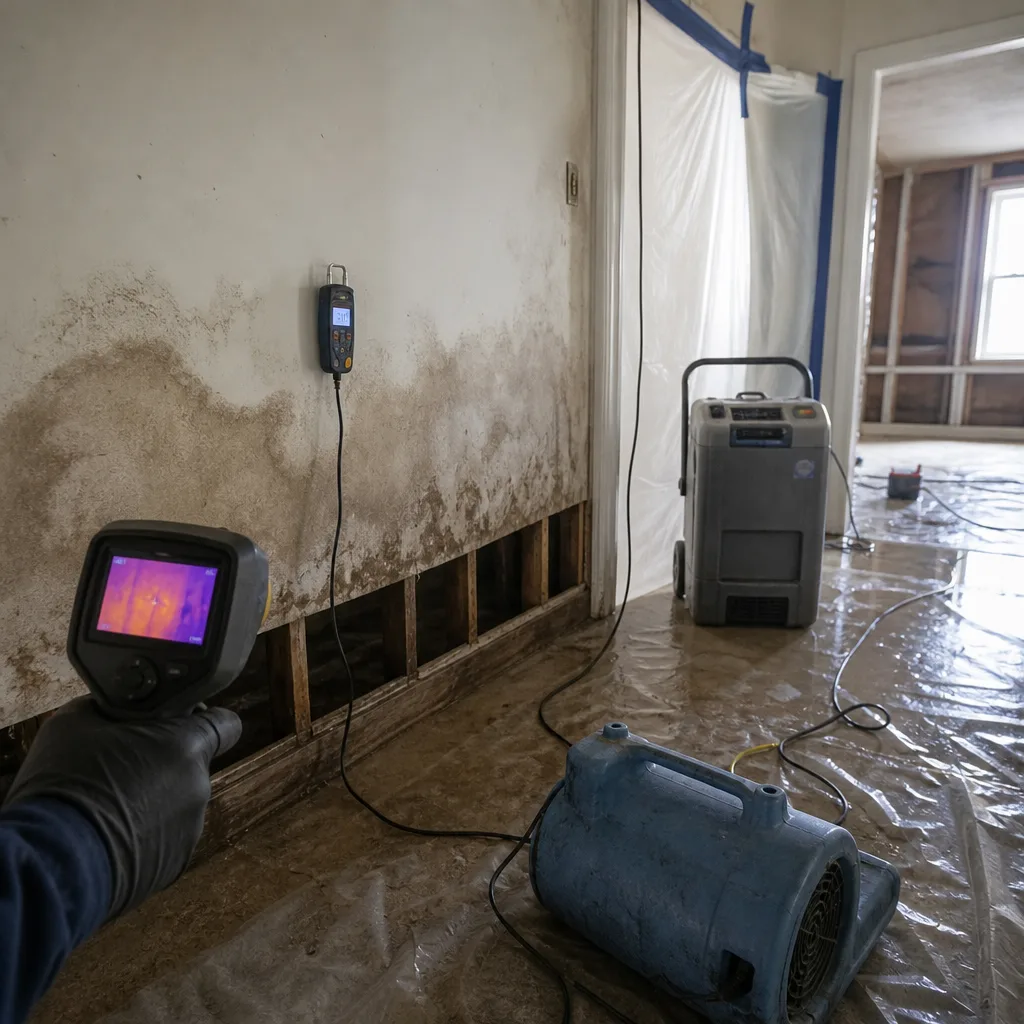 Before
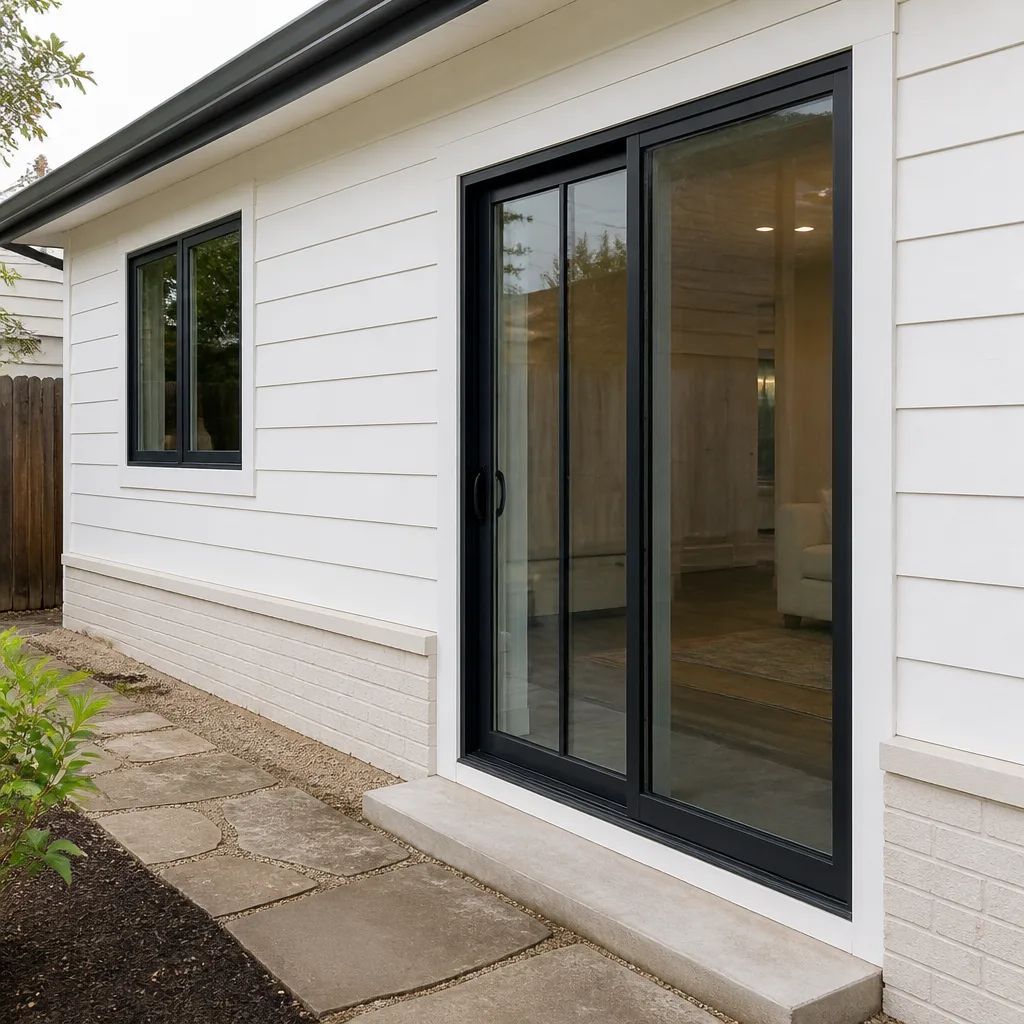 After
After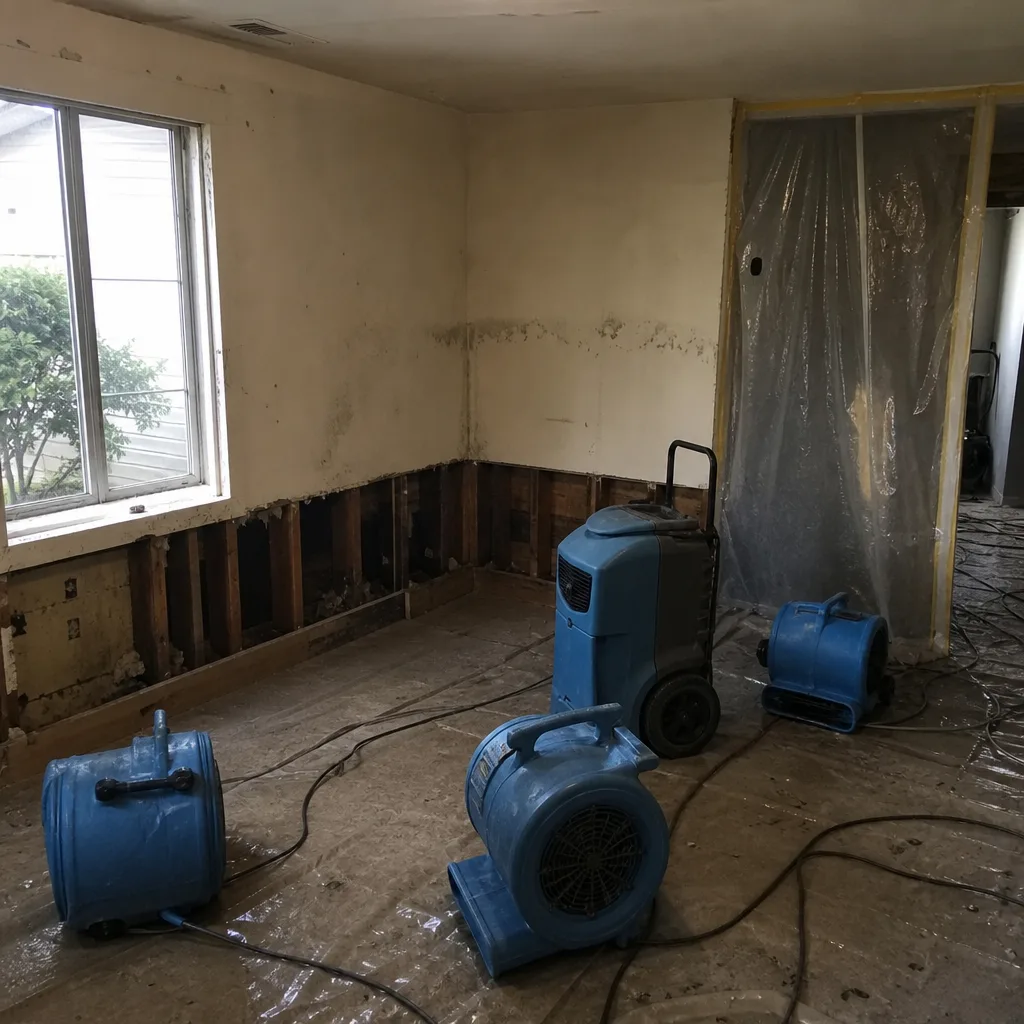 Before
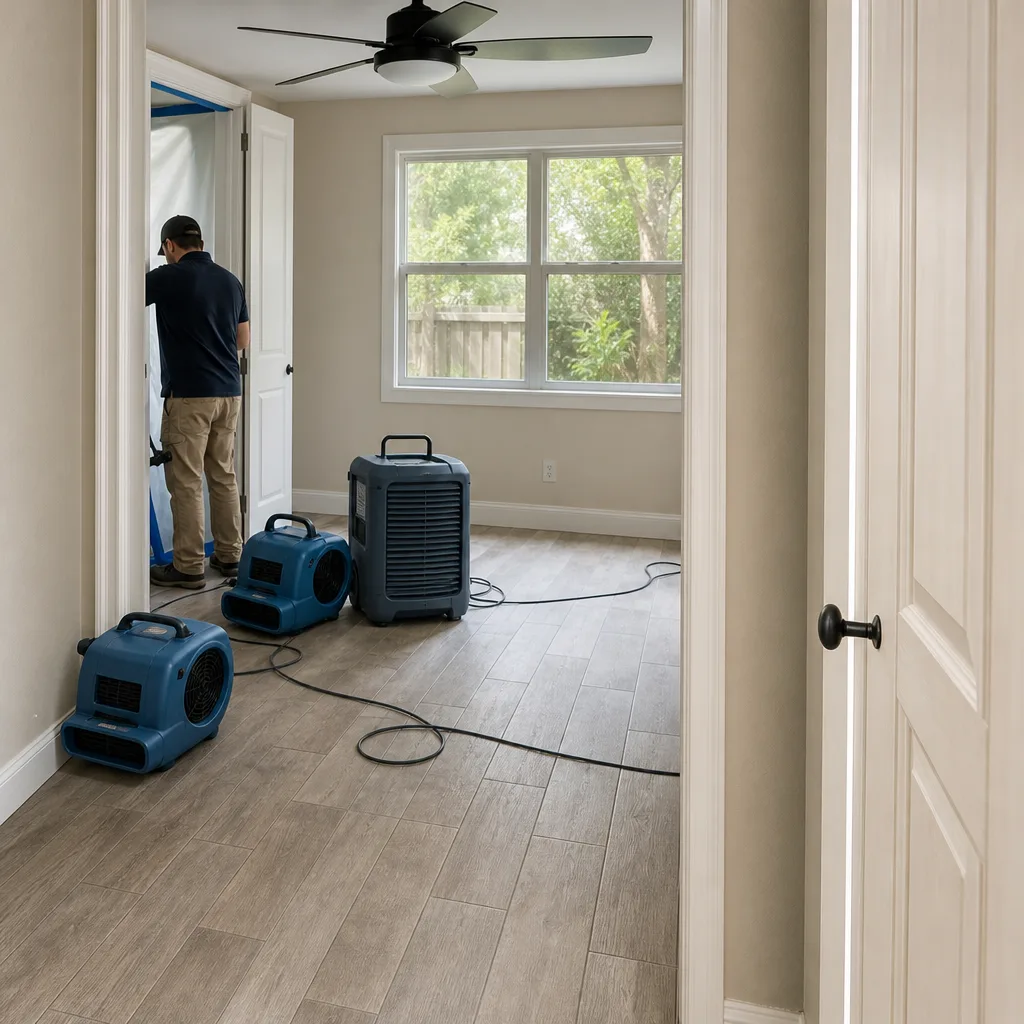 After
After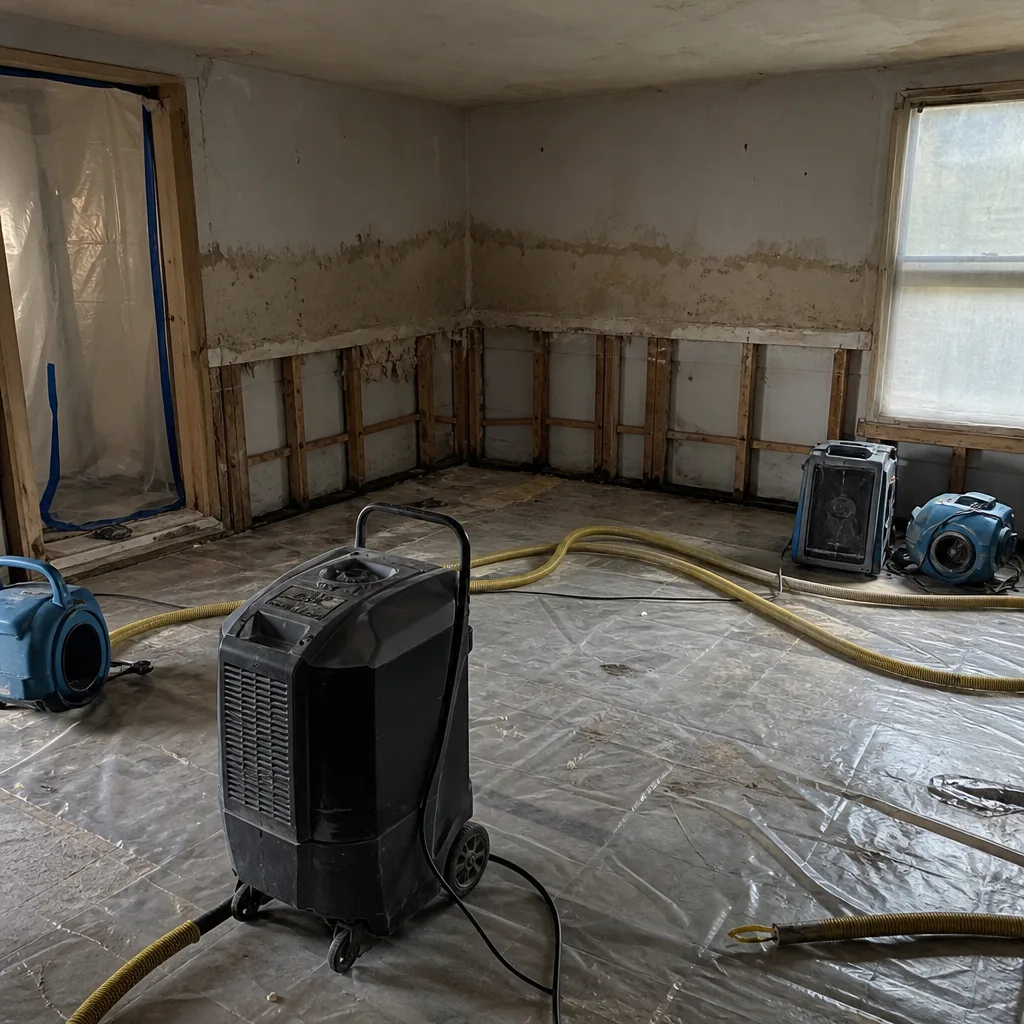 Before
 After
After