
 Sewage cleanup
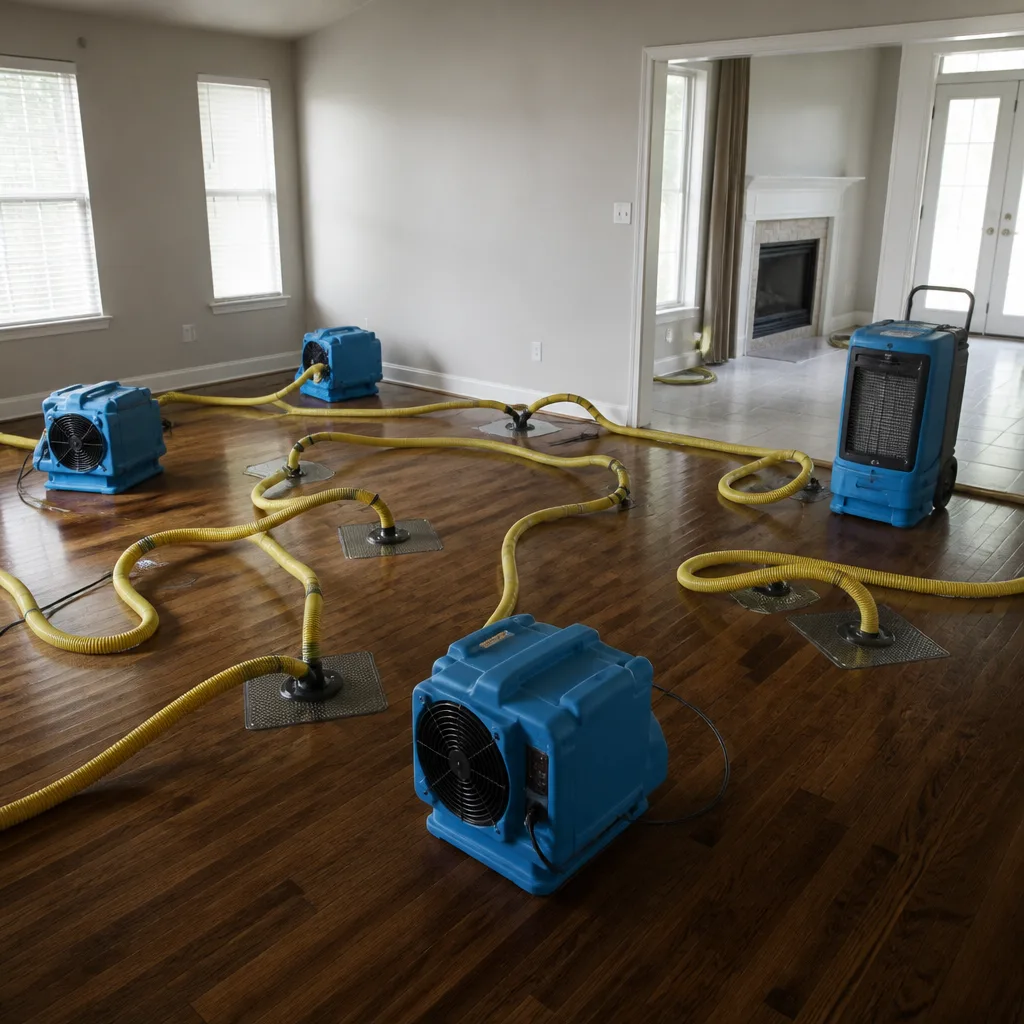 Water damage drying
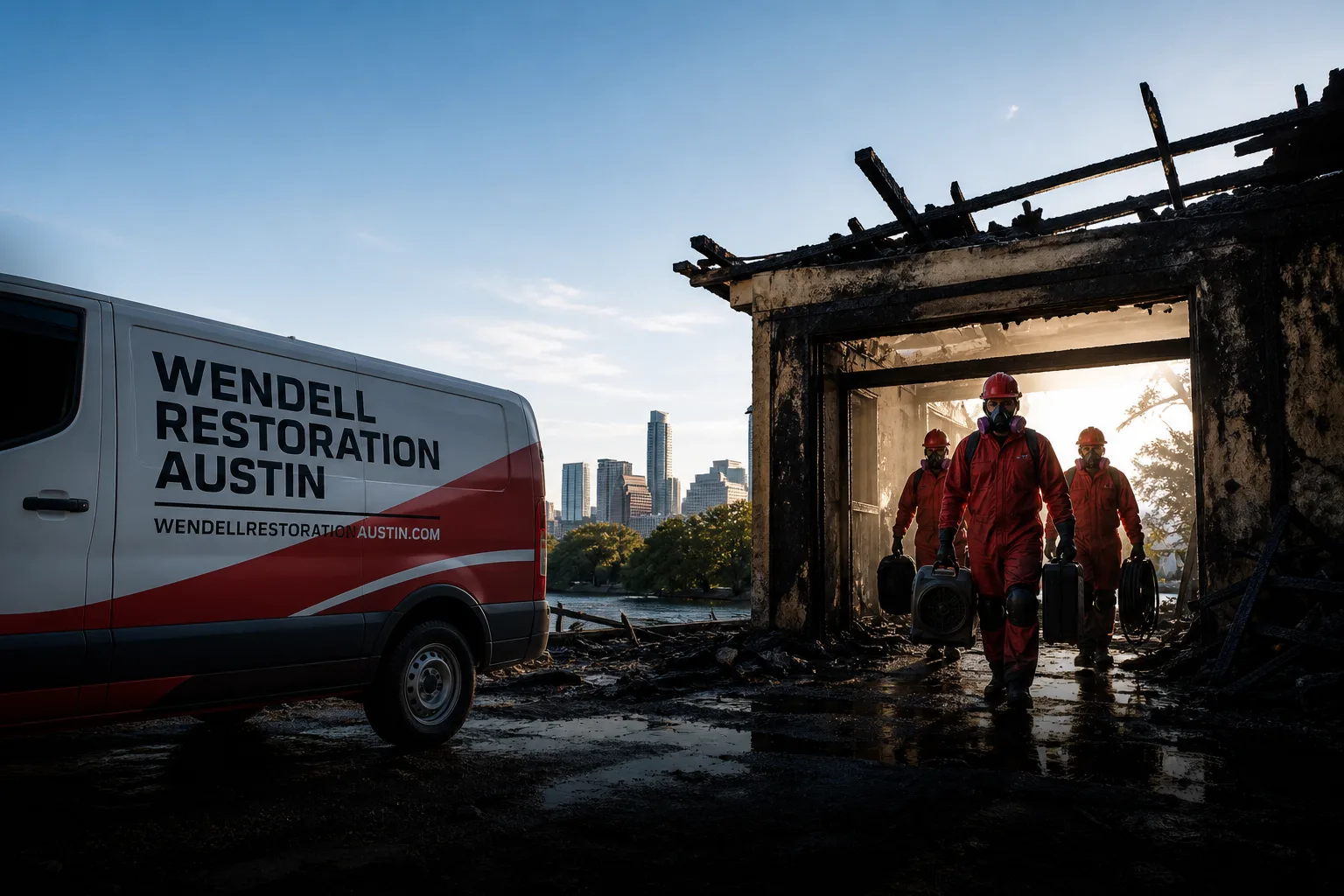
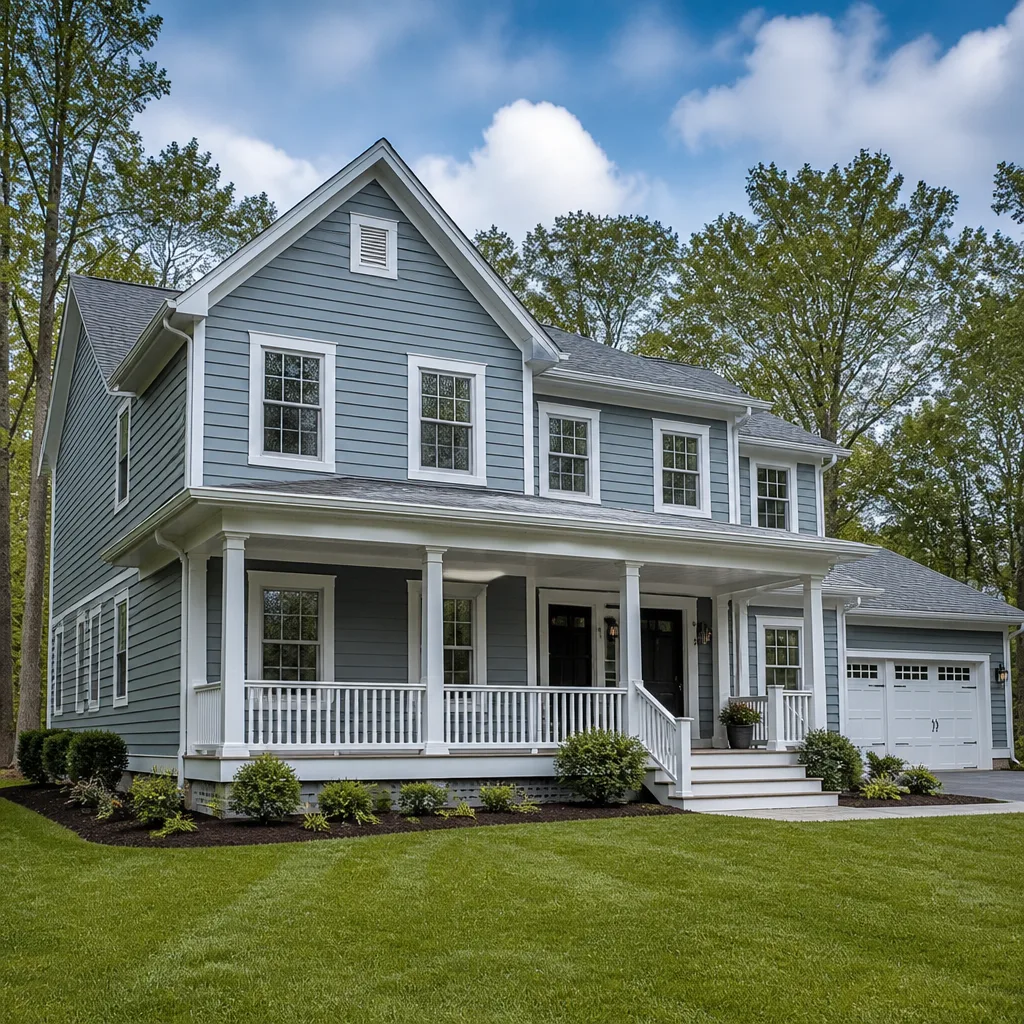 Fire & smoke cleanup
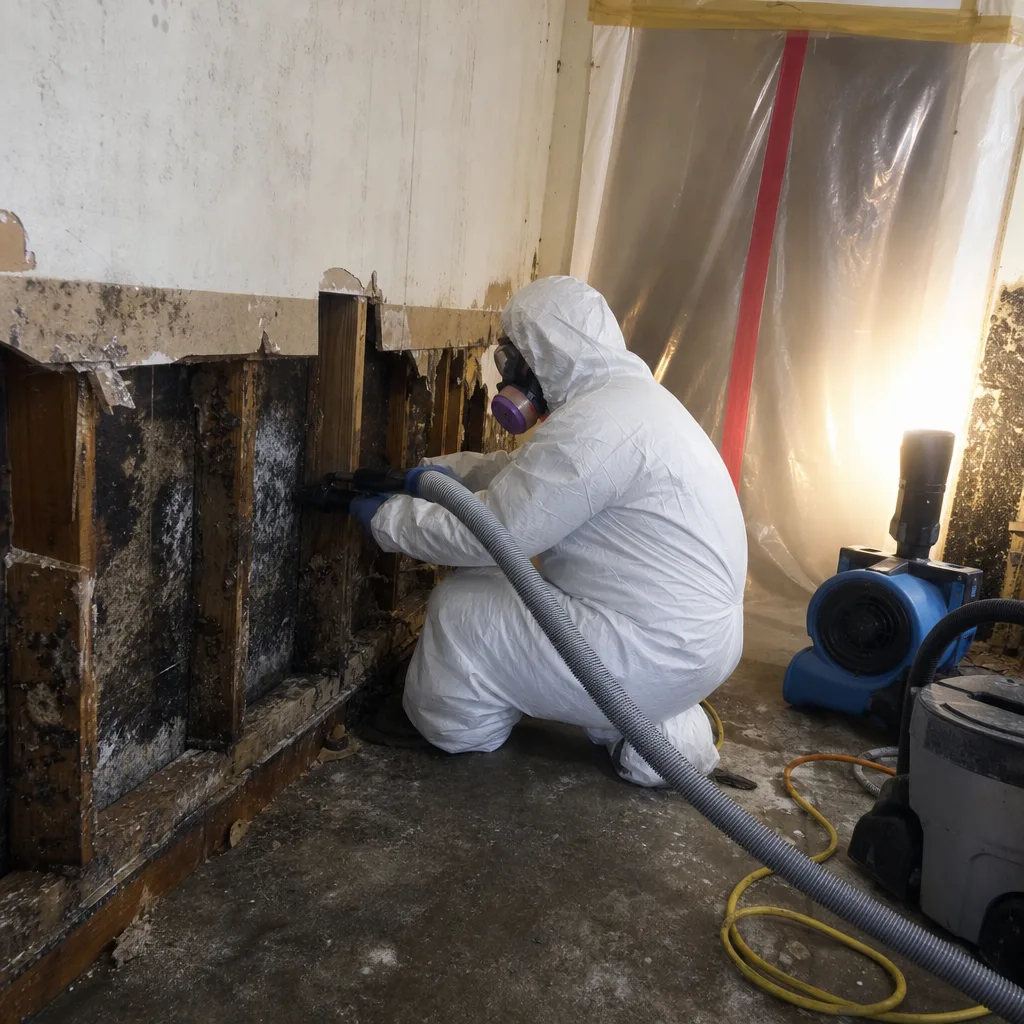
 Mold remediation
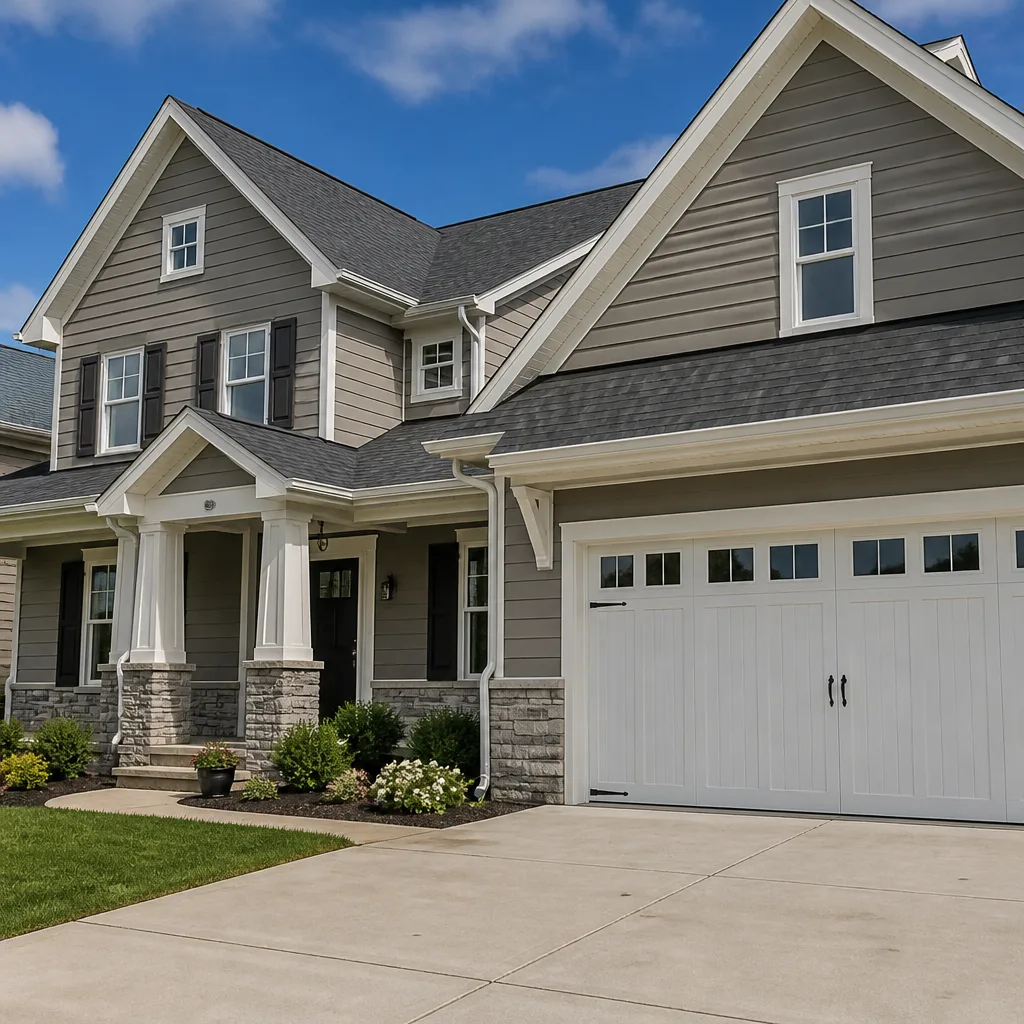 Storm response
 Reconstruction
Free visual inspection and a written scope of work before any mitigation begins - photos, moisture readings, and drying logs go in your claim file
The scope we write is the scope we bill. Anything new gets shown to you, in writing, before we touch it.
Get your free estimateRestoration work we handle
See the difference
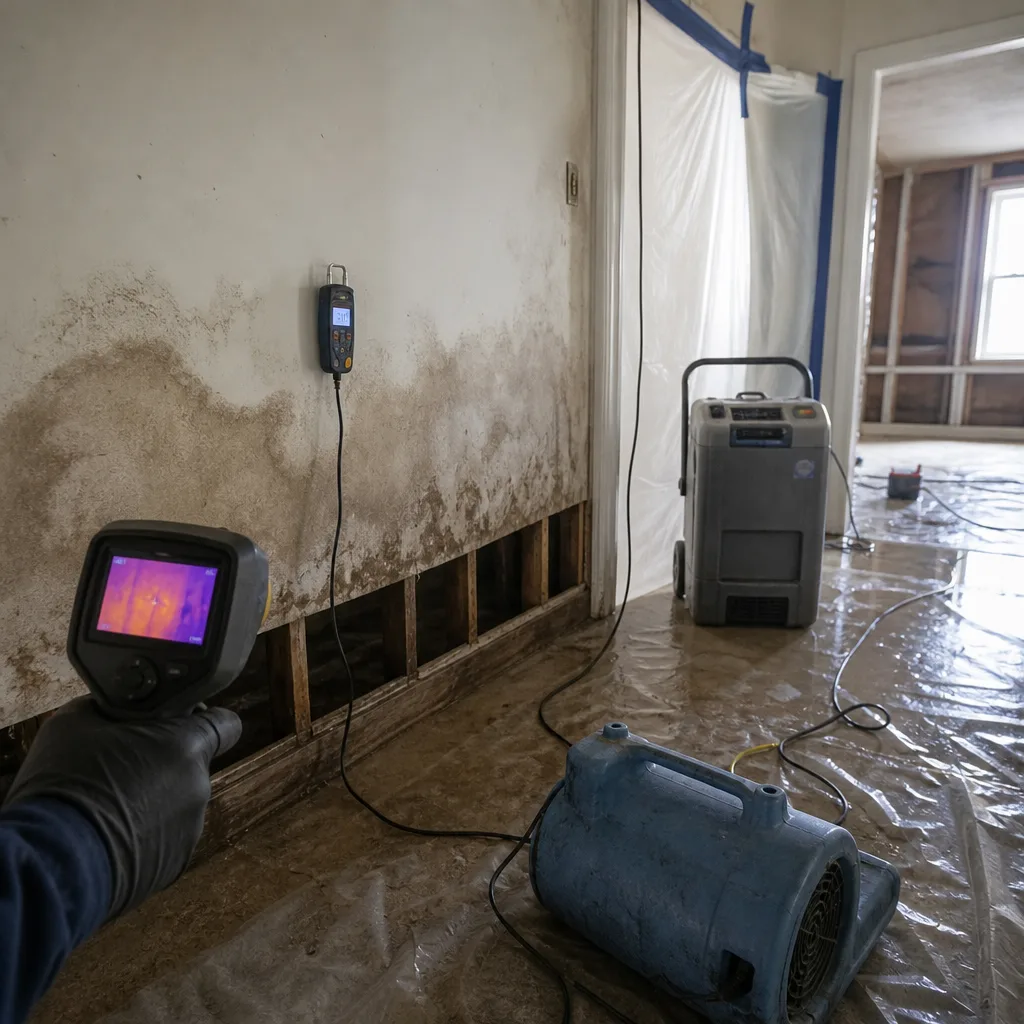 Before
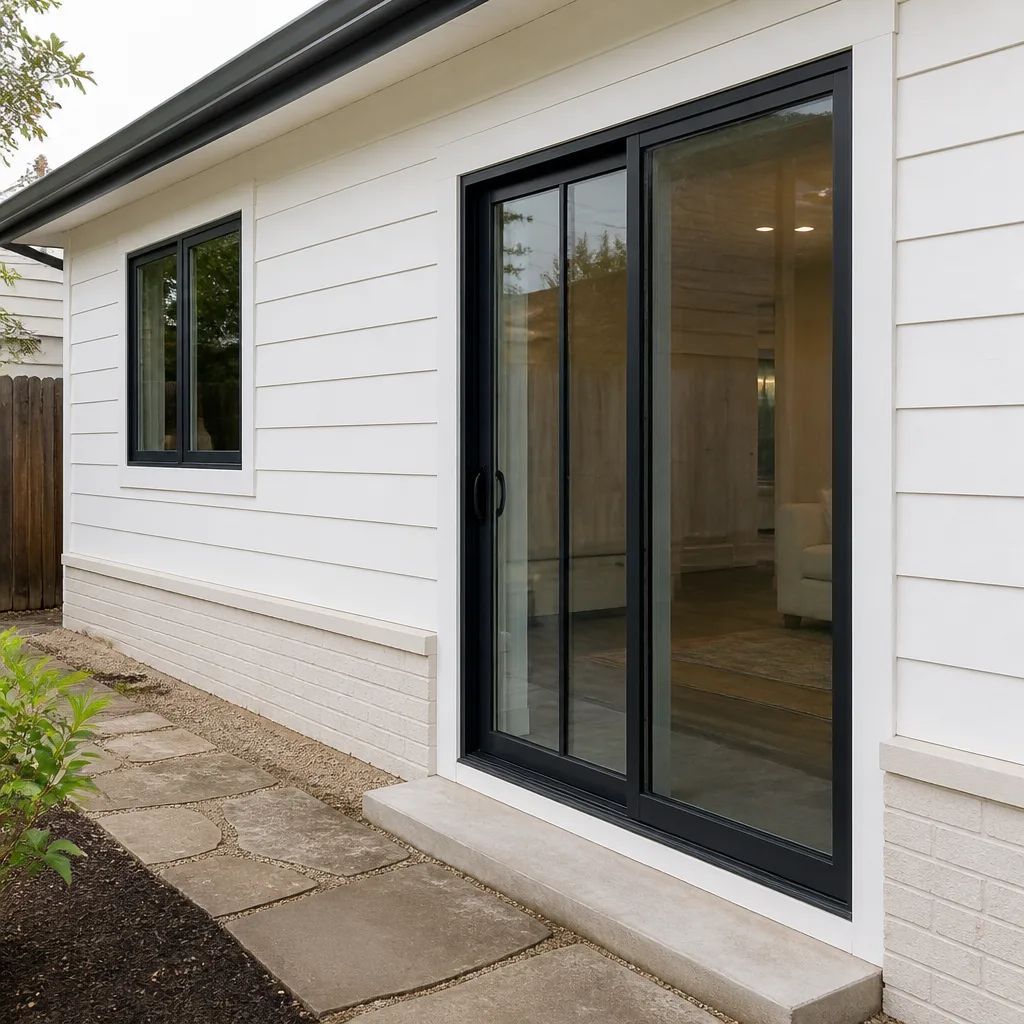 After
After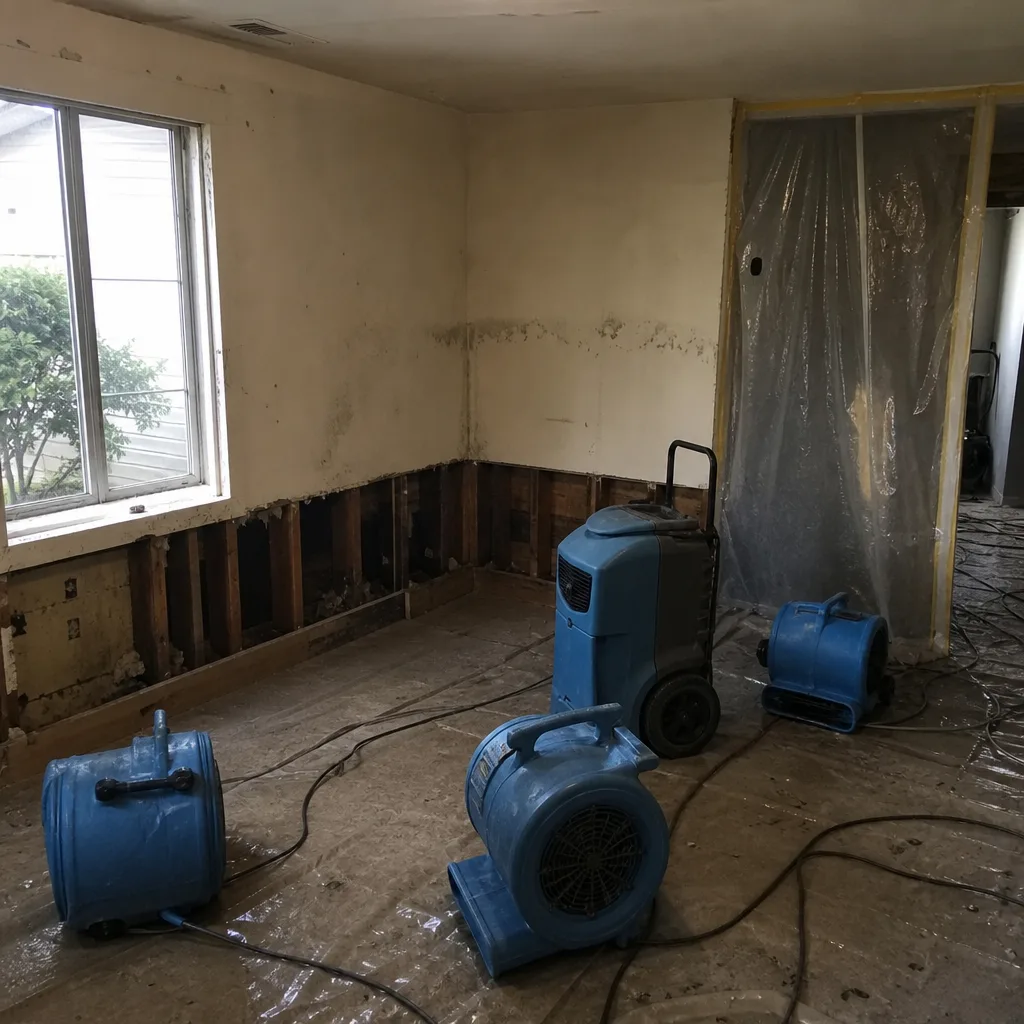 Before
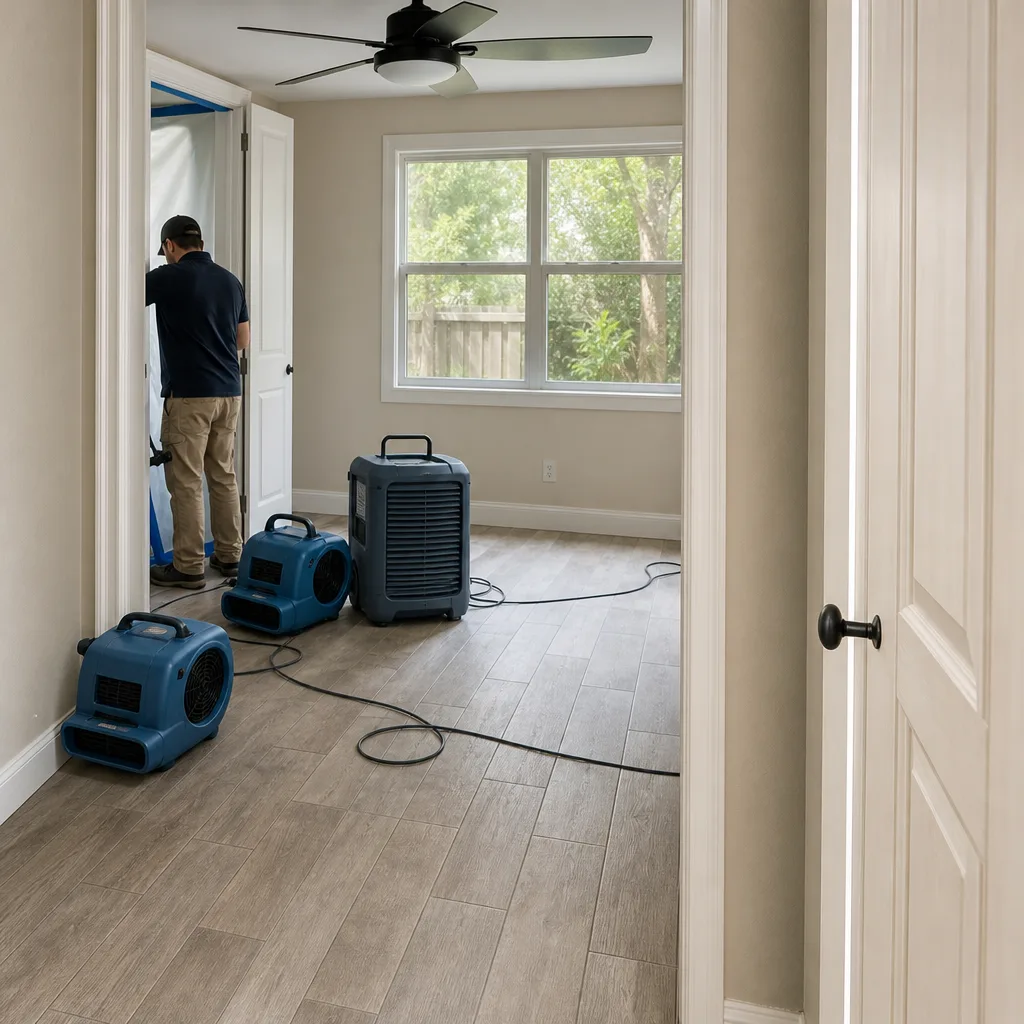 After
After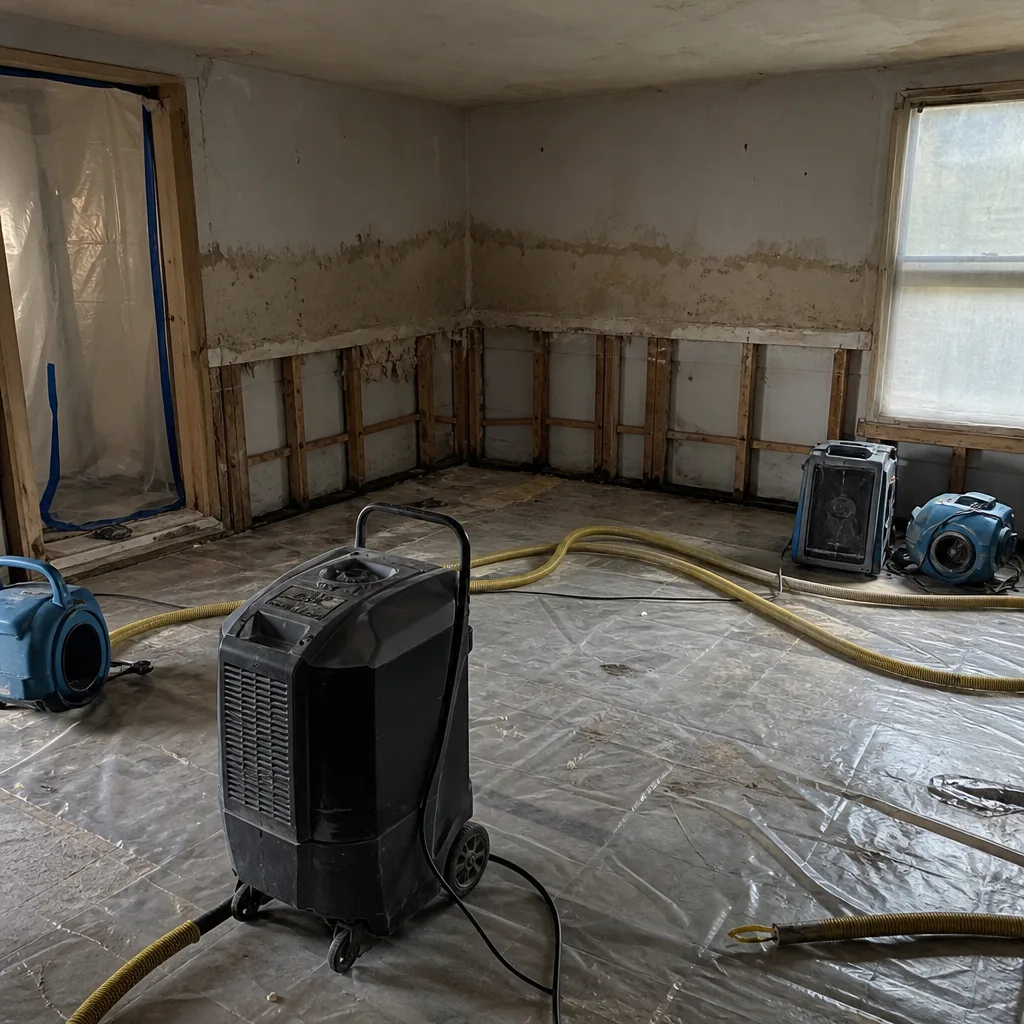 Before
 After
AfterHow Much Does Sewage Cleanup Cost in Austin?
Sewage cleanup in Austin typically costs between $2,300 and $7,500 for a full-scale residential job, with most homeowners paying right around $4,200. A smaller contained spill might run you $800 to $1,500, while a finished basement or crawl space flooded with category 3 water can push past $12,000 once demolition and rebuild work enters the picture. The single biggest variable isn’t the sewage itself, it’s how far the water traveled and what it soaked into along the way.
At Wendell Restoration Austin, we put every sewage cleanup price in writing before the first tool comes off the truck. No vague estimates, no surprise line items at the end. It’s how we’ve done things since 2006, and it’s why our techs can look you in the eye and tell you the number with confidence. The price on your written quote is the price you pay, full stop.
Key takeaways:
- Average sewage cleanup cost in Austin: $2,300 – $7,500 for a complete job
- Small contained spills: $800 – $1,500
- Major contamination with rebuild work: $10,000+
- Most Austin insurance policies cover sudden sewage backups, but not gradual seepage
- Wendell Restoration Austin answers calls 24/7 at (325) 237-2088 with a live person
Sewage Cleanup Cost Breakdown (2026)
Here’s what a typical Austin sewage cleanup invoice looks like, line by line. These are real numbers from the local market, not national averages. Austin’s older housing stock, especially in neighborhoods like Hyde Park, Travis Heights, and parts of East Austin with pier-and-beam foundations, tends to create more complexity than a newer build out in Cedar Park or Round Rock would. That complexity shows up in the final price.
| Service Line Item | Typical Cost Range (Austin, 2026) | What It Covers |
|---|---|---|
| Emergency response & assessment | $150 – $400 | Dispatch, initial inspection, moisture mapping, safety check |
| Category 3 water extraction | $600 – $1,800 | Pumping out sewage water, removing solids, truck-mounted extraction |
| Contaminated material removal & demolition | $800 – $3,500 | Cutting out drywall, pulling carpet, removing baseboards, haul-away |
| Antimicrobial treatment & disinfection | $300 – $1,200 | Hospital-grade antimicrobial application, odor neutralization |
| Structural drying (psychrometric monitoring) | $500 – $2,000 | Deploying Dri-Eaz, Phoenix, and XPOWER equipment, daily moisture tracking |
| Containment & negative air pressure | $400 – $1,500 | Plastic barriers, HEPA-filtered negative air machines to prevent cross-contamination |
| Air scrubbing (HEPA filtration) | $250 – $800 | Removing airborne pathogens and odors, 24 – 72 hour runtime |
| Final clearance testing | $200 – $600 | Post-remediation verification, moisture readings, documentation |
The table covers a standard sewage cleanup, but here’s the thing: sewage jobs in Austin rarely stay “standard.” A backed-up washing machine line in a Crestview slab home is a very different animal than a collapsed sewer line under a 1920s bungalow off South Congress. The latter means jackhammering concrete, tunneling, and often replacing cast iron pipe that predates the interstate highway system. That’s a $15,000 – $30,000 project before anyone thinks about restoring the drywall.
Category matters too. Category 1 water (clean supply line) becomes Category 2 (grey water from washing machines or dishwashers) and eventually Category 3 (black water, which is what we call raw sewage) the longer it sits. By the time a sewage backup has been sitting for 8 – 12 hours in a Texas summer where crawl spaces hit 100°F, you’re firmly in Category 3 territory. The classification dictates the protocol: Category 3 requires full porous material removal, not just drying. That’s the IICRC S500 standard, and any reputable Austin restoration company follows it.
What Affects Sewage Cleanup Pricing in Austin
Several factors move the number on your quote up or down. Here are the ones that matter most in the Austin market specifically:
- Foundation type. Slab-on-grade homes, common in newer Austin suburbs like Mueller, Lakeway, and Pflugerville, often channel sewage backup through the slab’s plumbing chases, which extends drying time and can require drilling into concrete for access. Pier-and-beam homes, found across older Central Austin, give techs crawl space access but expose more timber to contamination.
- Square footage affected. A 10×10 bathroom spill is one thing. Sewage that runs from a hall bath into three bedrooms plus a hallway is another. The contaminated area drives demolition volume, equipment count, and labor hours.
- Response time. The longer sewage sits, the more porous materials absorb it. A same-day response with extraction and drying equipment deployed within hours keeps costs down. A 48-hour delay often doubles the demolition scope.
- Flooring material. Austin homes run the gamut from original oak hardwood in Bouldin Creek to builder-grade carpet in newer Round Rock developments. Hardwood that’s been soaked with Category 3 water usually can’t be salvaged because sewage penetrates the grain. Tile on slab sometimes survives. Carpet, pad, and tack strip always go.
- Access to the affected area. Tight hallways, stairs, finished basements (rare but present in some West Austin homes), and attic mechanical rooms all slow the work. A straight shot from the front door to the affected bathroom means faster extraction and lower labor costs.
- Age and condition of plumbing. Austin has tens of thousands of homes built before 1975 with original cast iron drain lines. If the sewage cleanup reveals a cracked or collapsed pipe, you’re looking at a plumbing repair that can cost $4,000 – $15,000 on top of the cleanup itself.
Is Sewage Cleanup Covered by Insurance in Austin?
Short answer: usually yes, if the backup was sudden and accidental. Most standard Texas homeowners policies include water backup coverage if you’ve added the endorsement. Without that endorsement, a sewage backup from a city main or your own drain line may not be covered at all. We see this confusion constantly in neighborhoods like Allandale and Brentwood where older clay sewer lines are starting to fail.
Here’s what to know about filing an Austin sewage cleanup insurance claim:
- Document before anything moves. Take photos and video of the standing water, the tide line on walls, and any damaged contents. Your adjuster needs to see what we saw on arrival.
- Call Wendell Restoration Austin at (325) 237-2088 before you start removing anything. We’ll help you determine what’s Category 2 versus Category 3 and what cleanup protocols apply.
- Review your policy’s water backup endorsement. It often covers $5,000 – $25,000, which handles most standard sewage cleanup jobs but may fall short on major rebuild work.
- Don’t wait to mitigate. Texas policyholders have a duty to prevent further damage. Delaying extraction can give your insurer grounds to deny part of the claim.
- Get a written estimate from us before the adjuster arrives. Having an itemized line-by-line quote from a professional restoration company helps you negotiate from a position of knowledge instead of guesswork.
We work with all major insurance carriers in the Austin area and can bill directly to your claim in many cases. That said, we never let insurance paperwork slow down the actual mitigation work. Sewage doesn’t wait for adjusters, and neither do we.
Why Austin Sewage Cleanup Costs What It Does
Austin’s sewage cleanup pricing isn’t random. The local market has specific pressures that national guides miss entirely. Understanding these helps you spot a fair quote from a lowball that will cost you more later.
Labor rates are higher here than the Texas average. Austin’s cost of living has outpaced Houston, San Antonio, and even parts of Dallas. Restoration techs who are IICRC-certified, background-checked, and trained on commercial-grade equipment command $35 – $60 per hour. A sewage job requires at least two techs (buddy system for safety in confined and contaminated spaces), and often three or four on bigger jobs. That’s $100 – $240 per hour in labor alone before equipment, disposal, or materials enter the equation.
Disposal costs add up fast. Category 3 debris can’t go to a standard landfill in many cases. Travis County and the City of Austin have specific rules about contaminated demolition debris disposal. Contractors pay per ton to haul soaked drywall, carpet, padding, and contaminated personal items to approved facilities. A single room of cat 3 demolition can produce a ton of waste or more. That’s a real line item, $300 – $900 per job, not a fee that disappears into “miscellaneous.”
Austin’s summer humidity slows drying. Psychrometric drying, which means tracking the air’s moisture content to know when a structure is truly dry rather than surface-dry, is slower and more equipment-intensive in Austin from May through September. A job that dries in 3 days in February might run 5 – 6 days in August when the outdoor air is 85% humidity. More equipment days means a higher drying line item, plain and simple.
Older Central Austin homes require more careful demolition. Plaster walls, not drywall, are common in homes built before 1950 in neighborhoods like Clarksville and Old Enfield. Plaster demolition is slower, dustier, and more labor-intensive. It also requires more precise containment to prevent the spread of sewage-contaminated dust, which adds to the containment budget.
Blake Sorensen, who leads our Austin team, puts it plainly: “The houses here aren’t tract homes on a slab. They’re a hundred years old sometimes, with real plaster and real wood. You can’t rush that kind of demolition without causing more damage than the sewage did.”
How to Save on Sewage Cleanup in Austin
No one budgets for a sewage backup, so we’re not going to pretend it’s a fun bill to pay. But there are concrete ways to keep that bill as small as possible without cutting corners that put your family’s health at risk.
- Respond in hours, not days. The single biggest cost driver on any sewage job is time. The faster extraction starts, the less demolition is needed. Call a professional the moment you see backup, not after a day of “waiting to see if it drains.”
- Know what to shut off yourself. Turning off the water supply to the affected fixture and shutting down your HVAC system (so sewage-contaminated air doesn’t circulate through the house) before help arrives reduces the spread. Don’t try to clean Category 3 water yourself. The risk of exposure to pathogens like E. coli, hepatitis A, and norovirus is real. Just don’t touch it.
- Ask for itemized pricing. Any restoration company should give you a line-by-line breakdown of what you’re paying for. If they can’t or won’t, that’s a red flag. Wendell writes the price down before any work starts and texts you a digital invoice you can pay from a link.
- Check your insurance coverage before you need it. Calling your agent today to add a water backup endorsement is the cheapest sewage cleanup money you’ll ever spend. These endorsements often cost under $100 per year and cover $10,000 – $25,000 in cleanup costs.
- Don’t pay for “emergency” fees from companies that charge a premium for showing up at 2:00 AM. Wendell Ramsey’s Austin team answers calls 24/7 at (325) 237-2088 without an after-hours surcharge. The price is the price, whether it’s noon or midnight.
If you want a free, no-obligation estimate for your situation, call (325) 237-2088. We’ll walk through what’s happening, give you a realistic range over the phone, and schedule a tech to come out with a live arrival time you can track. No four-hour windows, no phone tag.
How Sewage Cleanup Works – Step by Step
Here’s exactly what a professional sewage cleanup looks like, from the moment we arrive to the moment we hand you the final documentation. This is the process we follow on every sewage cleanup in Austin job, following IICRC, RIA, and IFA standards.
- Arrival and assessment. Our techs arrive in uniform, introduce themselves, and walk the affected area with you. We take moisture readings with professional meters, categorize the water (1, 2, or 3), and sketch out the scope. You get a written quote before anything happens.
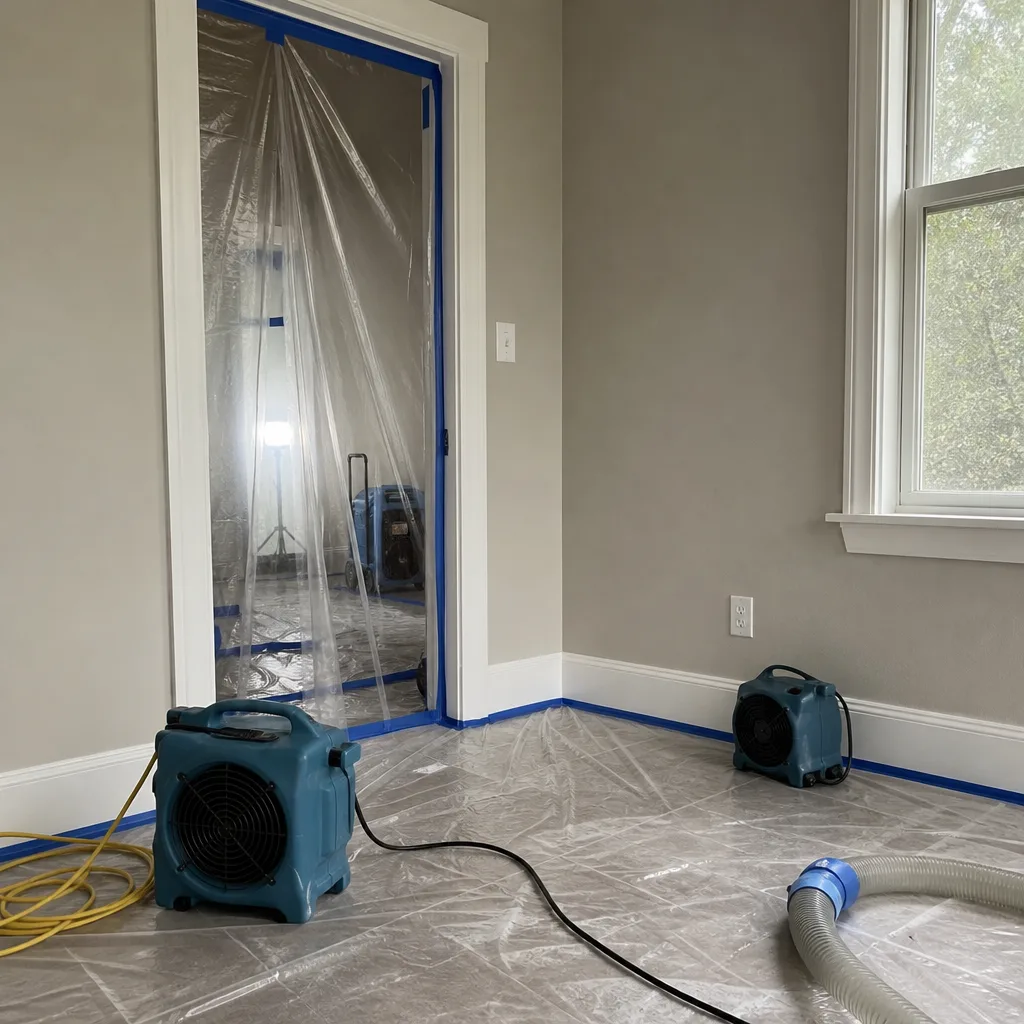
- Containment setup. We seal the affected area with plastic sheeting and set up negative air pressure with HEPA filtration. This prevents airborne sewage particles from spreading to clean rooms while we work.
- Water extraction. Truck-mounted or portable extraction units pull standing sewage water from floors, carpets, and hard surfaces. We remove solids and dispose of them properly.
- Demolition of contaminated materials. Drywall, baseboard, carpet, pad, and any porous materials that absorbed sewage are cut out and bagged for disposal. Non-porous surfaces like tile and concrete get deep-cleaned and disinfected instead.
- Antimicrobial treatment. We apply hospital-grade antimicrobial products to all remaining surfaces in the contamination zone. This kills bacteria, viruses, and fungi that extraction alone won’t address.
- Structural drying with psychrometric monitoring. We deploy professional-grade drying equipment from brands like Dri-Eaz, Phoenix, XPOWER, B-Air, and Injectidry. Daily moisture readings tell us exactly when the structure is truly dry, not just surface-dry. The equipment runs as long as needed, usually 3 – 7 days.
- Final cleaning and clearance. We re-clean all affected surfaces, run air scrubbers to clear airborne contaminants, and take final moisture readings. You get before-and-after photos by text so you can see exactly what was done.
- Documentation for insurance. We provide a complete packet: photos, equipment logs, moisture readings, and the original written quote. If you’re filing a claim, this is what your adjuster wants to see.
This is what we call The Relay Standard. Book in a tap, get a live arrival time, receive photo updates by text, see the price in writing before work starts, and pay from a link. Every single job, no exceptions.
FAQs – Sewage Cleanup Cost
How much does sewage cleanup cost per square foot in Austin?
Austin sewage cleanup typically runs $7 – $15 per square foot for the affected area. A 400-square-foot bathroom and hallway cleanup lands around $2,800 – $6,000. This range includes extraction, demolition, disinfection, drying, and clearance testing. The per-square-foot price drops as the area grows because equipment setup and containment are fixed costs. For an exact number on your space, call (325) 237-2088 for a free estimate.
Does homeowners insurance cover sewage backup in Texas?
Yes, with the right endorsement. Standard Texas homeowners policies do not automatically cover sewage backup. Adding a water backup endorsement typically costs $50 – $150 per year and covers $5,000 – $50,000 depending on the limit you choose. Sudden backups from your own plumbing or a city main are generally covered with this endorsement. Gradual seepage or long-term neglect is usually excluded. Wendell works directly with your insurance carrier and provides the documentation adjusters require.
Is it cheaper to clean up sewage myself?
It’s cheaper upfront, $200 – $600 for rental equipment and supplies, but far more expensive in medical costs and long-term damage if it’s done wrong. Sewage contains pathogens that cause hepatitis A, E. coli infections, salmonella, and respiratory illnesses. Improper drying leads to hidden mold growth inside walls, which can cost $3,000 – $10,000 to remediate later. Professional cleanup with proper antimicrobial treatment and psychrometric drying is the less expensive choice in the long run.
How fast can a sewage cleanup company arrive in Austin?
Wendell Restoration Austin dispatches techs same-day in most cases, often within 60 – 90 minutes for emergency calls. We answer the phone 24/7 with a live person, not a voicemail or callback queue. You get a live arrival time you can track, like a rideshare for restoration. Call (325) 237-2088 and a real person will tell you exactly when we’ll be there.
How long does sewage cleanup take?
Most Austin sewage cleanup jobs are fully mitigated in 3 – 5 days, including extraction, demolition, disinfection, and structural drying. Homes with especially high humidity or extensive contamination may need 5 – 7 days of drying time. Rebuild work, like replacing drywall and flooring, is a separate timeline and typically runs 1 – 2 weeks depending on contractor availability. We’ll get the place safe and dry fast, then hand you the documentation you need for the rebuild.
What’s the difference between grey water and black water cleanup costs?
Grey water (Category 2, from washing machines or dishwashers) cleanup typically runs $1,500 – $4,000 because porous materials can sometimes be dried in place. Black water (Category 3, raw sewage) runs $2,300 – $7,500+ because all porous materials must be removed and disposed of, and the disinfection protocol is more intensive. Black water also requires full containment and negative air pressure, which grey water jobs may not need. Call (325) 237-2088 and we’ll help you figure out which category you’re dealing with.
Get a Written Sewage Cleanup Price in Austin Today
You shouldn’t have to guess what a sewage cleanup will cost, and with Wendell Restoration Austin, you don’t. Call (325) 237-2088 now and a live person answers, asks about your situation, and gives you a realistic price range over the phone. Then a background-checked, uniformed technician shows up with a live arrival time you can track. The price goes in writing before work starts, you get before-and-after photos by text, and the digital invoice is paid from a link. That’s the 365-Day Done Right Promise: if it’s not done right, we make it right. Written guarantee on every job, free second visit if a repair fails. Sewage backup doesn’t keep business hours, and neither do we.
Pricing reflects the Austin market as of 2026. Wendell Restoration Austin offers free estimates – call (325) 237-2088.
Written by Blake Sorensen, Owner at Wendell Restoration Austin, serving Austin since 2006.
What Our Customers Say
"Estimate was in the app with photos. Final bill matched."
- Beth A."Respectful crew, daily updates, and no surprises."
- Yasmin O."Mold removal in a basement corner after the leak. Retested clean."
- Gordon K.